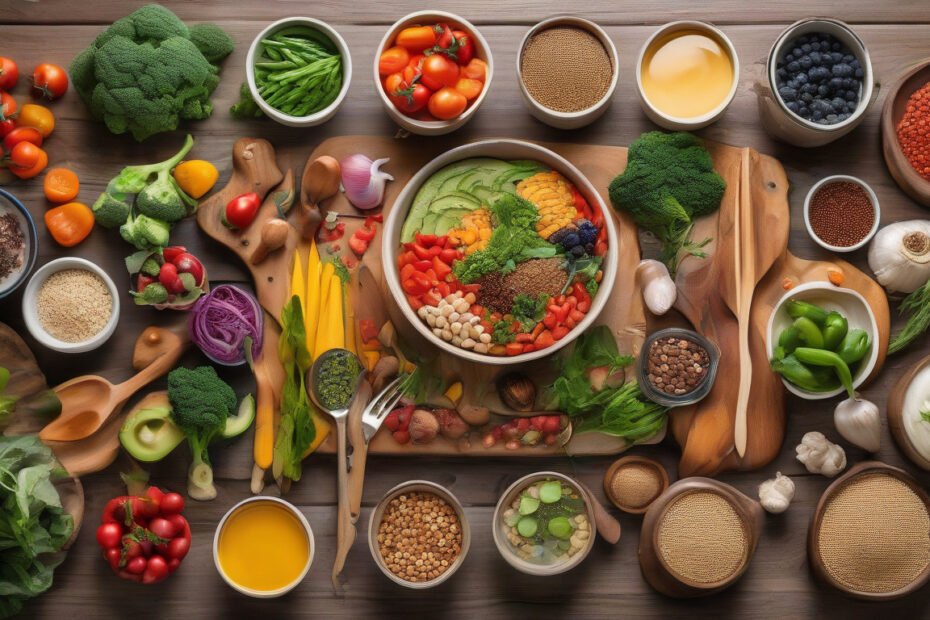
In recent years, the focus on gut health has surged, with more people recognizing its crucial role in overall wellness.
A well-functioning gut not only aids in digestion but also influences everything from your immune system to mental health.
If you’re looking to transform your digestion and feel your best, a gut health meal plan is essential.
This article will guide you through the basics of gut health, outline the importance of a dedicated meal plan, and provide delicious recipes tailored to support your gut health.
Free eBook | 3 Day Gentle Gut Reset
 Free eBook | 3 Day Gentle Gut Reset

Key Ingredients for a Gut-Friendly Diet
When crafting a gut health meal plan, it’s essential to include a variety of key ingredients that nourish and support your digestive system.
Start by incorporating fiber-rich foods such as whole grains, fruits, and vegetables.
These not only promote regular bowel movements but also feed the beneficial bacteria in your gut.
Fermented foods are another vital component of a gut-friendly diet; items like yogurt, kefir, sauerkraut, and kombucha are packed with probiotics that enhance gut flora balance.
Additionally, healthy fats from sources like avocados, olive oil, and nuts can help reduce inflammation in the gut.
Lastly, consider including prebiotic foods, such as garlic, onions, and asparagus, which serve as food for probiotics, ensuring a thriving gut microbiome.
By carefully selecting these ingredients, your gut health meal plan can significantly improve your overall well-being.
Breakfast Recipes for Optimal Digestion
When it comes to maintaining gut health, a well-structured meal plan can make all the difference, especially during the most important meal of the day—breakfast.
Starting your day with digestion-friendly recipes not only fuels your body but also promotes a healthier digestive system.
Incorporating foods rich in fiber, probiotics, and healthy fats can significantly enhance gut health.
Consider recipes like a Greek yogurt parfait topped with fresh fruit and a sprinkle of chia seeds, or a savory oatmeal bowl with spinach, avocado, and poached eggs.
These dishes not only taste great but are also packed with nutrients that support gut flora and improve overall digestion.
By following a gut health meal plan, you can enjoy satisfying breakfasts that will keep your digestive tract happy and ensure you kickstart your day on a positive note.

Lunch Recipes to Nourish Your Gut
When it comes to maintaining a healthy lifestyle, following a gut health meal plan is essential, particularly in your lunch choices.
Incorporating nutrient-rich ingredients that support digestion is key to promoting a thriving gut microbiome.
Consider preparing a quinoa salad packed with roasted vegetables and chickpeas, drizzled with a lemon-tahini dressing.
This dish not only provides fiber, which is crucial for gut health, but also includes protein to keep you satiated throughout the afternoon.
Another excellent option is a hearty vegetable soup made with bone broth; the collagen in the broth is beneficial for gut lining repair.
Adding probiotics such as kefir or fermented vegetables can further enhance your meal.
Opting for these delicious yet wholesome lunch recipes will not only satisfy your hunger but will also nourish your gut, ensuring you stay energized and healthy all day long.
Dinner Recipes That Support Gut Health
When it comes to crafting a gut health meal plan, dinner is an excellent opportunity to pack in nutrients that nourish your digestive system.
Recipes that emphasize whole, unprocessed foods like fresh vegetables, lean proteins, and whole grains can significantly contribute to gut health.
For instance, consider a quinoa salad topped with roasted vegetables and a simple lemon-olive oil dressing.
Quinoa is a great source of fiber and protein, while the variety of vegetables provides prebiotics that feed your good gut bacteria.
Another stellar option is a hearty vegetable soup, brimming with fiber-rich legumes and antioxidant-rich ingredients like garlic and onions, which serve as potent prebiotic foods.
Integrating fermented foods such as kimchi or sauerkraut into your meals can also elevate your gut health, providing beneficial probiotics.
Adopting a dedicated gut health meal plan not only promotes digestive wellness but also opens up a world of delicious, satisfying dishes that you can enjoy at dinner.
![Tips for Maintaining a <b>Gut Health Meal Plan</b>‘ style=’display: block; margin: auto; max-width: 100%; height: auto;’></p>
<h3>Tips for Maintaining a <b>Gut Health Meal Plan</b></h3>
<p>Creating and sticking to a <b>gut health meal plan</b> is essential for promoting digestive wellness and overall health.</p>
<p>Here are some practical tips to help you maintain an effective <b>gut health meal plan</b>.</p>
<p>First, prioritize a variety of high-fiber foods such as fruits, vegetables, legumes, and whole grains, as fiber is crucial for supporting healthy gut bacteria.</p>
<p>Incorporate fermented foods like yogurt, kefir, sauerkraut, and kimchi into your meals, as these contain beneficial probiotics that enhance gut flora.</p>
<p>Planning and prepping meals ahead can save you time and help you avoid reaching for unhealthy snacks.</p>
<p>Additionally, stay hydrated by drinking plenty of water throughout the day, as proper hydration is vital for digestion.</p>
<p>Finally, keep a food diary to monitor how certain foods affect your gut health, allowing you to make informed adjustments to your meal plan.</p>
<p>By implementing these tips, you can effectively adhere to your <b>gut health meal plan</b> and experience improved well-being.</p>
<div id="wpadc-wrapper" class="wpadc-wrapper-class wpadc-selected-after-content wpadc-rule-12">
<p><em>This post may contain affiliate links which means I may receive a commission for purchases made through links. I will only recommend products that I have personally used! Learn more on my Private Policy page.</em></p>
</div>
</div> </article>
</div>
</div>
</main><!--/.neve-main-->
<button tabindex="0" id="scroll-to-top" class="scroll-to-top scroll-to-top-right scroll-show-mobile icon" aria-label="Scroll To Top"><svg class="scroll-to-top-icon" aria-hidden="true" role="img" xmlns="http://www.w3.org/2000/svg" width="15" height="15" viewBox="0 0 15 15"><rect width="15" height="15" fill="none"/><path fill="currentColor" d="M2,8.48l-.65-.65a.71.71,0,0,1,0-1L7,1.14a.72.72,0,0,1,1,0l5.69,5.7a.71.71,0,0,1,0,1L13,8.48a.71.71,0,0,1-1,0L8.67,4.94v8.42a.7.7,0,0,1-.7.7H7a.7.7,0,0,1-.7-.7V4.94L3,8.47a.7.7,0,0,1-1,0Z"/></svg></button><footer class="site-footer" id="site-footer" >
<div class="hfg_footer">
<div class="footer--row footer-bottom layout-full-contained"
id="cb-row--footer-desktop-bottom"
data-row-id="bottom" data-show-on="desktop">
<div
class="footer--row-inner footer-bottom-inner footer-content-wrap">
<div class="container">
<div
class="hfg-grid nv-footer-content hfg-grid-bottom row--wrapper row "
data-section="hfg_footer_layout_bottom" >
<div class="hfg-slot left"><div class="builder-item cr"><div class="item--inner"><div class="component-wrap"><div><p><a href="https://themeisle.com/themes/neve/" rel="nofollow">Neve</a> | Powered by <a href="https://wordpress.org" rel="nofollow">WordPress</a></p></div></div></div></div></div><div class="hfg-slot c-left"></div><div class="hfg-slot center"></div> </div>
</div>
</div>
</div>
</div>
</footer>
</div><!--/.wrapper-->
<script type="speculationrules">
{"prefetch":[{"source":"document","where":{"and":[{"href_matches":"/*"},{"not":{"href_matches":["/wp-*.php","/wp-admin/*","/wp-content/uploads/*","/wp-content/*","/wp-content/plugins/*","/wp-content/themes/neve/*","/*\\?(.+)"]}},{"not":{"selector_matches":"a[rel~=\"nofollow\"]"}},{"not":{"selector_matches":".no-prefetch, .no-prefetch a"}}]},"eagerness":"conservative"}]}
</script>
<div id="grow-wp-data" data-grow=](https://im.runware.ai/image/ws/2/ii/5ddcff7d-fdd2-47d9-83ab-dc2c97744b6a.jpg)