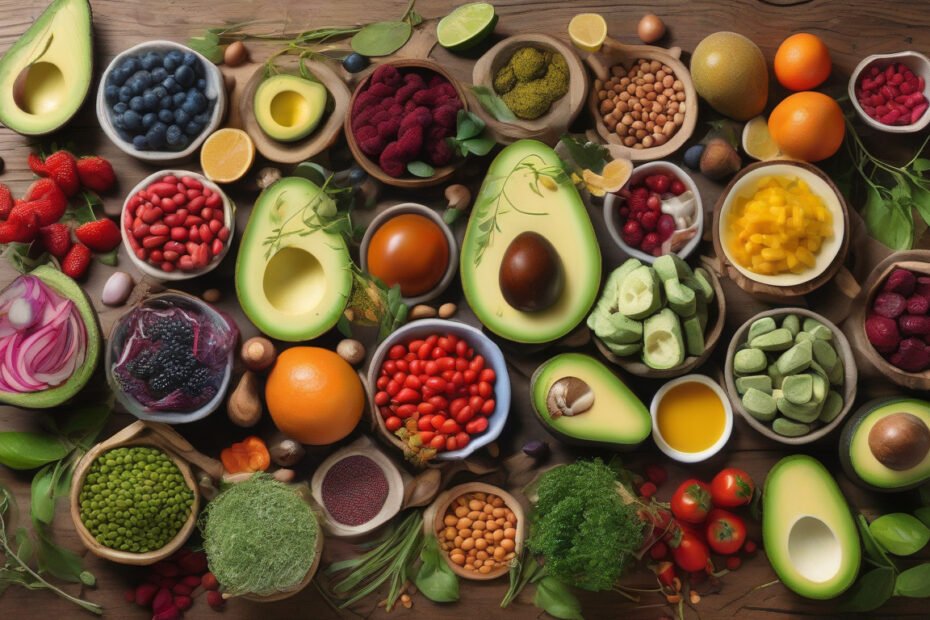
In today’s health-conscious world, the phrase ‘gut health’ is becoming a buzzword, and for good reason.
Our gut microbiome plays a crucial role in not just digestion, but also overall health and well-being.
With more people interested in natural ways to support their digestive systems, it’s essential to understand which foods can bolster gut health.
In this article, we’ll explore ten essential foods for gut health that can help you maintain a balanced microbiome, improve digestion, and enhance your overall health.
Free eBook | 3 Day Gentle Gut Reset

Key Takeaways
- Gut health is essential for overall well-being and can be supported through dietary choices.
- Probiotics play a crucial role in maintaining a healthy gut microbiome.
- Foods like yogurt and sauerkraut are rich in probiotics and beneficial for digestion.
- Prebiotic foods such as garlic and bananas help nourish good gut bacteria.
- Incorporating a variety of gut-healthy foods into your diet can improve digestive health over time.
Understanding Gut Health: What You Need to Know
Understanding gut health is essential for maintaining overall well-being, as it plays a crucial role in digestion, immunity, and even mental health.
One of the most effective ways to support a healthy gut is by incorporating the right foods into your diet.
Foods for gut health are rich in probiotics, prebiotics, and fiber, which help to nurture the beneficial bacteria residing in your digestive system.
Probiotic-rich foods such as yogurt, kefir, and fermented vegetables can improve your gut flora, while prebiotic foods like garlic, onions, and bananas serve as nourishment for these beneficial microbes.
Furthermore, high-fiber foods such as whole grains, legumes, and leafy greens help promote regular bowel movements and can prevent digestive issues.
By deliberately choosing these foods for gut health, you create a balanced environment in your digestive tract that not only aids digestion but also enhances your overall vitality.
The Role of Probiotics in Gut Health
Probiotics play a crucial role in maintaining gut health, primarily by balancing the gut microbiota, which consists of trillions of microorganisms living in our digestive system.
These beneficial bacteria can be found in various foods for gut health, such as yogurt, kefir, sauerkraut, and kimchi.
Incorporating these probiotic-rich foods into your diet can help enhance digestion, reduce bloating, and improve overall gut function.
Moreover, a healthy gut is linked to enhanced immunity, better mental health, and reduced risk of chronic diseases.
By regularly consuming these foods for gut health, you foster a thriving environment for the good bacteria, which can lead to significant improvements in your well-being.
‘Let food be thy medicine and medicine be thy food.’ – Hippocrates
Free eBook | 3 Day Gentle Gut Reset

3. Garlic: A Prebiotic Powerhouse
Garlic, often celebrated for its distinctive flavor and health benefits, is a remarkable prebiotic powerhouse among the foods for gut health.
This versatile bulb is not only a culinary staple but also plays a significant role in promoting a balanced gut microbiome.
Garlic contains inulin, a type of non-digestible carbohydrate that feeds the beneficial bacteria in our intestines, encouraging their growth and activity.
By incorporating garlic into your meals, you can enhance your gut flora, which is essential for optimal digestion, immune function, and even mood regulation.
Furthermore, garlic is rich in antioxidants and has anti-inflammatory properties, making it a natural ally in maintaining overall gut health.
For those looking to improve their digestion and overall well-being, adding garlic to your diet is a flavorful and health-boosting choice.
4. Buckwheat: A Gluten-Free Whole Grain
When considering foods for gut health, buckwheat emerges as a remarkable gluten-free whole grain.
Rich in fiber, vitamins, and antioxidants, buckwheat not only supports digestion but also promotes the growth of beneficial gut bacteria.
Its unique composition, which includes resistant starch and prebiotic properties, makes it a valuable addition to any diet aimed at enhancing gut health.
Incorporating buckwheat into meals can be as simple as substituting it for rice in stir-fries, using it to create hearty porridge, or even blending it into smoothies.
This versatile grain not only satisfies your culinary cravings but also plays a pivotal role in fostering a healthy gut microbiome, making it an essential food choice for those prioritizing digestive wellness.

5. Bananas: The Digestive-Friendly Fruit
Bananas are more than just a convenient snack; they are one of the best foods for gut health, thanks to their high fiber content and natural prebiotics.
These delicious fruits contain both soluble and insoluble fiber, which promote healthy digestion and regular bowel movements.
The soluble fiber in bananas can soothe the digestive tract and help feed beneficial gut bacteria, creating a balanced microbiome.
Additionally, bananas are rich in potassium, which plays a crucial role in maintaining electrolyte balance and proper muscle function, including the muscles of the gastrointestinal tract.
Incorporating bananas into your daily diet can contribute significantly to your overall digestive health, making them a must-have food for anyone looking to improve their gut function.
This post may contain affiliate links which means I may receive a commission for purchases made through links. I will only recommend products that I have personally used! Learn more on my Private Policy page.