In today’s fast-paced world, maintaining optimal health can often feel like a daunting task.
However, emerging research highlights a fundamental aspect of our wellness that deserves our attention: gut health.
The gut houses trillions of microorganisms that play a crucial role in digestion, immunity, and even mental health.
As we delve deeper into adopting a gut health diet plan, we’ll explore why cultivating a balanced gut microbiome is essential for vitality, alongside practical strategies and food choices to incorporate into your lifestyle.
This comprehensive guide is designed to empower you to transform your health through a conscious approach to what you eat, fostering not just a healthier gut but a happier, more vibrant life.
Free eBook | 3 Day Gentle Gut Reset
 Free eBook | 3 Day Gentle Gut Reset

Foods to Include for Optimal Gut Health
A well-structured gut health diet plan is essential for promoting overall wellness and preventing numerous health issues.
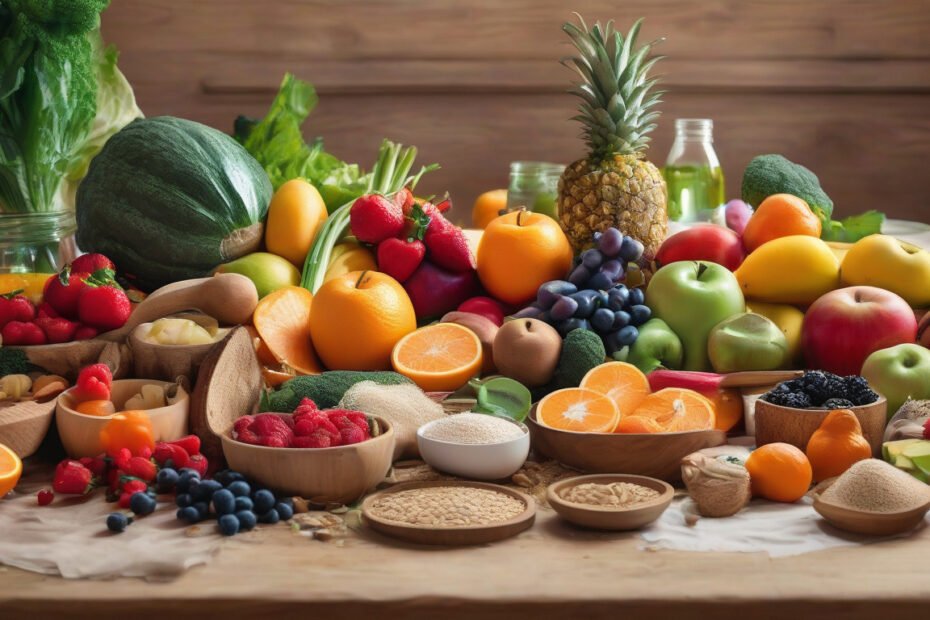
To nurture your digestive system, prioritize incorporating a variety of fiber-rich foods, such as whole grains, legumes, fruits, and vegetables.
These foods help feed the beneficial bacteria in your gut, enhancing their ability to support digestion and immune function.
Probiotic-rich foods, such as yogurt, kefir, sauerkraut, and fermented vegetables, are equally important, as they introduce live microorganisms that can populate your gut and restore balance.
Additionally, incorporating prebiotic foods like garlic, onions, and bananas can further enhance gut health by stimulating the growth of good bacteria.
Don’t forget to hydrate properly; drinking plenty of water aids in digestion and helps maintain mucosal lining in the intestines.
Following a gut health diet plan rich in these nutrient-dense foods can lead to improved digestion, increased energy levels, and a boost in overall health.
Foods to Avoid that Harm Gut Health
When it comes to following a gut health diet plan, it’s crucial to understand not only what to include in your meals, but also what to avoid.
Certain foods can disrupt the delicate balance of bacteria in your gut, potentially leading to various digestive issues and overall health problems.
First and foremost, highly processed foods should be limited as they often contain additives and preservatives that can harm gut flora.
Additionally, sugar-rich items like candy, pastries, and sugary drinks can promote the growth of harmful bacteria.
Similarly, excessive consumption of unhealthy fats, particularly trans fats found in fried foods, can lead to inflammation in the gut.
Dairy products may also pose a challenge for those with lactose intolerance, causing bloating and discomfort.
Finally, be cautious with artificial sweeteners; although they might seem like a healthier alternative, they can negatively affect your gut microbiome.
By steering clear of these harmful foods and focusing on a balanced gut health diet plan rich in fiber, fruits, vegetables, and probiotics, you can significantly enhance your digestive well-being.

Additional Lifestyle Factors for Supporting Gut Health
Maintaining a gut health diet plan is essential, but it’s vital to recognize that other lifestyle factors significantly influence our digestive wellness.
Engaging in regular physical activity can enhance gut motility and promote a diverse microbiome.
Stress management techniques, such as yoga or meditation, also play a crucial role, as high stress can disrupt gut function and lead to digestive issues.
Furthermore, ensuring adequate sleep is fundamental; studies have shown that poor sleep quality can negatively impact gut health.
Additionally, staying hydrated not only supports digestion but also aids in the proper function of beneficial gut bacteria.
By incorporating these lifestyle elements alongside a carefully crafted gut health diet plan, individuals can foster a balanced and thriving digestive system.
This post may contain affiliate links which means I may receive a commission for purchases made through links. I will only recommend products that I have personally used! Learn more on my Private Policy page.