In recent years, the significance of gut health has gained considerable attention among health enthusiasts and researchers alike.
Vibrant gut health is not just about avoiding bloating or maintaining regularity; it’s foundational to overall well-being, immune strength, and even mental clarity.
In this comprehensive guide, we’ll dive into the essential vitamins for gut health, exploring their roles in digestive wellness and how you can harness their power to foster a happier and healthier digestive system.
From understanding the pivotal role that vitamins play in maintaining a balanced gut to learning about specific vitamins that promote digestive health, you’ll discover how to incorporate these vital nutrients into your everyday life.
Free eBook | 3 Day Gentle Gut Reset
 Free eBook | 3 Day Gentle Gut Reset

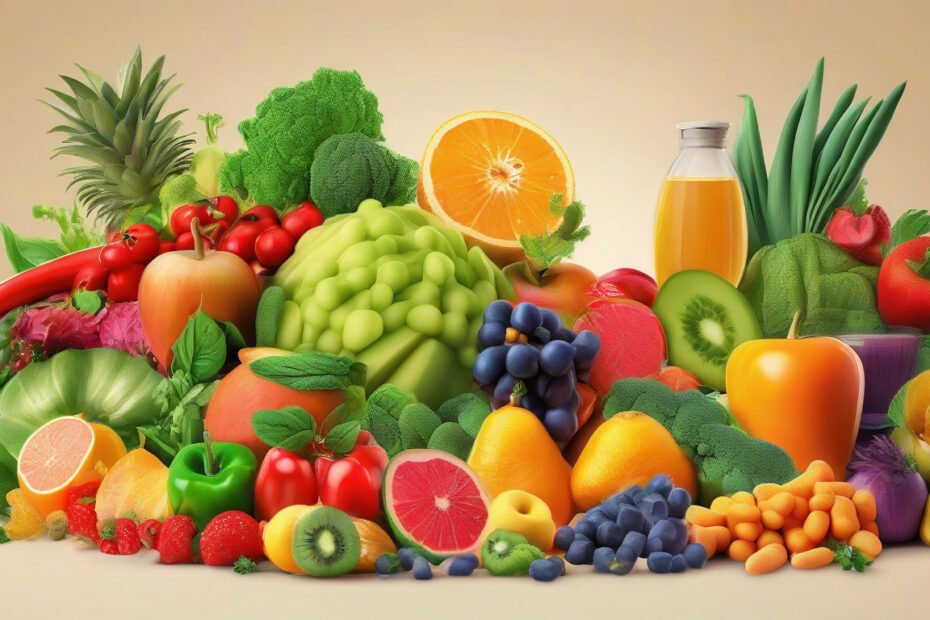
Foods Rich in Gut-Health Vitamins
Maintaining a healthy gut is crucial for overall well-being, and specific vitamins for gut health play a significant role in supporting digestive functions.
Foods rich in these essential vitamins not only promote the growth of beneficial gut bacteria but also enhance nutrient absorption, boost your immune system, and improve gut barrier integrity.
Key vitamins to include in your diet are vitamin A, vitamin D, and B vitamins, particularly B6, B12, and folate.
For instance, sweet potatoes, carrots, and spinach are excellent sources of vitamin A, while fatty fish, fortified dairy, and mushrooms can help you meet your vitamin D needs.
Incorporating a variety of whole grains, leafy greens, legumes, and nuts will enhance your intake of B vitamins, making them a great addition to meals aimed at improving gut health.
Aim to include these vitamin-rich foods in your diet regularly to help cultivate a thriving gut microbiome.
Common Gut Health Issues and Vitamin Solutions
Gut health is a crucial aspect of overall well-being, influencing everything from digestion to immunity.
Many people experience common gut health issues, such as bloating, gas, and irregular bowel movements.
These problems can often be linked to an imbalance in the gut microbiome or inadequate nutritional support.
One effective way to address these issues is by incorporating specific vitamins for gut health into your daily routine.
For instance, Vitamin D plays a pivotal role in maintaining a healthy intestinal barrier, reducing inflammation, and supporting immune function.
Similarly, B vitamins, particularly B12 and folate, are essential for energy metabolism and can improve gut health by encouraging the growth of beneficial bacteria.
Additionally, Vitamin C is known for its antioxidant properties, which help combat oxidative stress in the gut.
By supplementing with the right vitamins, you can enhance your gut health, leading to improved digestion and overall wellness.

Creating a Balanced Gut Health Plan with Vitamins
Creating a balanced gut health plan is essential for overall well-being, and incorporating the right vitamins can significantly enhance your digestive system’s function.
Vitamins for gut health play a crucial role in maintaining the balance of beneficial bacteria in your gut, supporting the intestinal lining, and promoting proper nutrient absorption.
For example, Vitamin B complex is vital for energy production and helps in the metabolism of carbohydrates, proteins, and fats, which are all essential for a healthy digestive system.
Furthermore, Vitamin D is noteworthy for its role in immune modulation and may help in reducing inflammation within the gut.
Additionally, antioxidants like Vitamin C can combat oxidative stress, supporting the gut’s integrity.
By integrating a diverse range of vitamins into your diet—through foods rich in these nutrients or high-quality supplements—alongside a fiber-rich diet and probiotics, you can create a comprehensive gut health plan that fosters resilience and vitality.
This post may contain affiliate links which means I may receive a commission for purchases made through links. I will only recommend products that I have personally used! Learn more on my Private Policy page.