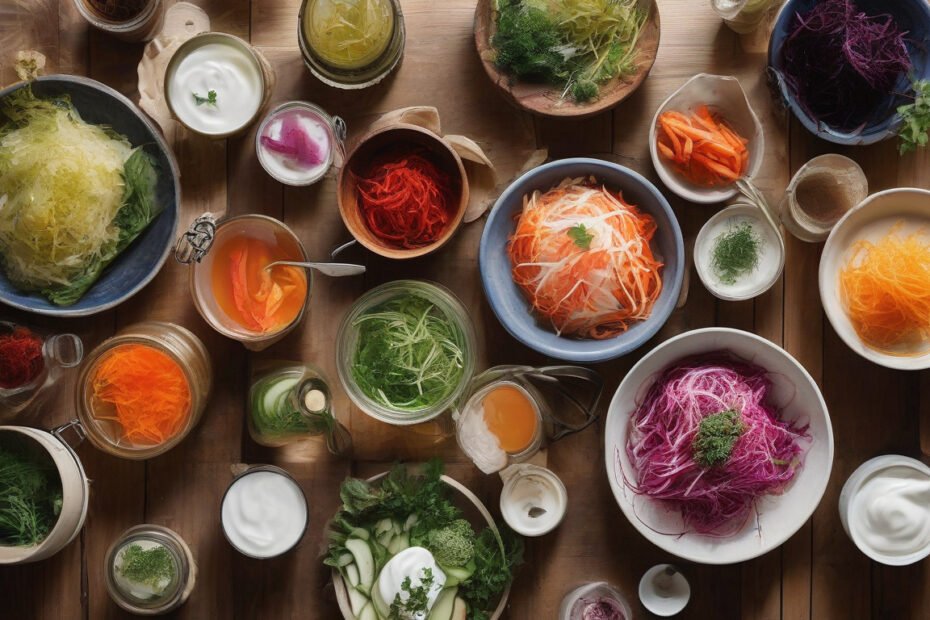
In recent years, gut health has emerged as a critical factor in overall well-being, with research emphasizing the importance of the microbiota in shaping our health.
One effective way to maintain a healthy gut is through the consumption of fermented foods for gut health.
These foods offer a rich source of probiotics, live microorganisms that can positively influence our digestive system.
In this article, we will explore the link between fermented foods and gut health, delve into the science behind fermentation, and provide you with practical tips for incorporating these nutritious foods into your diet.
Free eBook | 3 Day Gentle Gut Reset

Key Takeaways
- Gut health is significantly influenced by the diversity and balance of microbiota in the digestive system.
- Fermented foods are rich sources of probiotics and beneficial bacteria essential for maintaining gut health.
- The fermentation process enhances nutrient absorption and can aid in digestion and overall well-being.
- Including a variety of fermented foods like yogurt, sauerkraut, and kimchi can provide numerous health benefits for your gut.
- Making your own fermented foods at home can be a rewarding and healthful addition to your diet.
Understanding Gut Health: The Role of Microbiota
Understanding gut health is essential for overall well-being, and one of the key players in maintaining this balance is the microbiota.
These trillions of microorganisms, including bacteria, fungi, and viruses, reside in our digestive system and play a crucial role in digestion, immunity, and even mental health.
One of the most effective ways to support a healthy microbiota is through the incorporation of fermented foods for gut health into your diet.
Fermented foods, such as yogurt, kefir, sauerkraut, and kimchi, are rich in probiotics—beneficial bacteria that can enhance gut flora diversity and promote a balanced microbiome.
Regular consumption of these foods not only aids in digestion but also helps in preventing conditions like irritable bowel syndrome (IBS) and inflammatory bowel disease (IBD).
By adding fermented foods to your meals, you can improve your gut health and, consequently, your overall health.
What Are Fermented Foods?
Fermented foods, a cornerstone of many traditional diets, are created through the natural process of fermentation where microorganisms like bacteria, yeast, or molds break down sugars and starches in food.
This process not only enhances the flavor and conservation of various foods but also significantly increases their nutritional value.
Foods such as yogurt, sauerkraut, kimchi, and kefir are rich in probiotics, which are beneficial live bacteria known for promoting gut health.
Incorporating fermented foods for gut health into your diet can lead to improved digestion, enhanced immune function, and better absorption of nutrients.
These foods are not only tasty additions to your meals but also serve as powerful allies in achieving a balanced and healthy gut microbiome.
‘Let food be thy medicine, and medicine be thy food.’ – Hippocrates
Free eBook | 3 Day Gentle Gut Reset

The Science Behind Fermentation and Gut Health
Fermented foods for gut health have gained significant attention in recent years, and for good reason.
The science behind fermentation is a fascinating process where natural bacteria and yeasts break down sugars and starches into simpler compounds, resulting in foods rich in probiotics.
These beneficial microorganisms play a crucial role in maintaining and improving digestive health.
Popular examples of fermented foods include yogurt, sauerkraut, kimchi, tempeh, and kombucha.
Research has shown that incorporating these foods into your diet can enhance gut microbiota diversity, which is linked to a range of health benefits including improved digestion, nutrient absorption, and even enhanced mood and immunity.
By understanding the science behind fermentation and its impact on gut health, individuals can make informed dietary choices that promote overall wellness and vitality.
Top Fermented Foods to Include in Your Diet
Fermented foods for gut health have gained significant attention in recent years, and for good reason.
These nutrient-rich foods are packed with probiotics—beneficial bacteria that can enhance digestive health and bolster the immune system.
Incorporating a variety of fermented foods into your diet can promote a healthy balance of gut bacteria and improve overall well-being.
Some of the top fermented foods to consider include yogurt, which is well-known for its creamy texture and probiotic content; kimchi, a spicy Korean dish made from fermented vegetables that offers a unique flavor profile; sauerkraut, a tangy fermented cabbage dish that can add zest to your meals; and kombucha, a refreshing fermented tea that many enjoy as a fizzy beverage.
By adding these delicious options to your daily routine, you not only tantalize your taste buds but also support your gut health effectively.

Tips for Making Your Own Fermented Foods at Home
If you’re interested in improving your gut health, making your own fermented foods at home can be both a rewarding and healthful endeavor.
Fermented foods for gut health are packed with beneficial probiotics that support digestion and overall wellness.
Start with simple recipes like homemade yogurt or sauerkraut, which require minimal ingredients and equipment.
To begin, use fresh vegetables or high-quality dairy as your base, and ensure everything is properly cleaned to prevent unwanted bacteria.
When fermenting, maintaining the right temperature is key; most ferments thrive at room temperature away from light.
Remember to taste your creations along the way to find the perfect balance of flavors.
Don’t forget to store your finished products in a cool place to slow fermentation once you’ve achieved your desired taste.
With a little practice, you’ll discover that making fermented foods at home is not only easy but also incredibly beneficial for your gut health.
This post may contain affiliate links which means I may receive a commission for purchases made through links. I will only recommend products that I have personally used! Learn more on my Private Policy page.