Gut health is more than just a buzzword; it plays a crucial role in our overall well-being.
Our gut, home to trillions of bacteria, forms a vital ecosystem known as the microbiome.
When this delicate balance is disrupted, it can lead to a myriad of health issues.
Understanding how diet influences your gut health is essential in fostering a harmonious environment for your microbiome.
In this article, we’ll explore the best diet for gut health, how to recognize signs of an unhealthy gut, and which foods can nurture or harm your microbiome.
Whether you’re seeking to improve your health or simply curious about nutrition, this guide will empower you to take charge of your gut health naturally.
Free eBook | 3 Day Gentle Gut Reset
 Free eBook | 3 Day Gentle Gut Reset

The Importance of Diet in Gut Health
When it comes to maintaining optimal gut health, understanding the best diet for gut health is key.
Our digestive system is home to trillions of bacteria that play an essential role in our overall wellness.
A diet rich in fiber, whole foods, and fermented products can significantly enhance gut function.
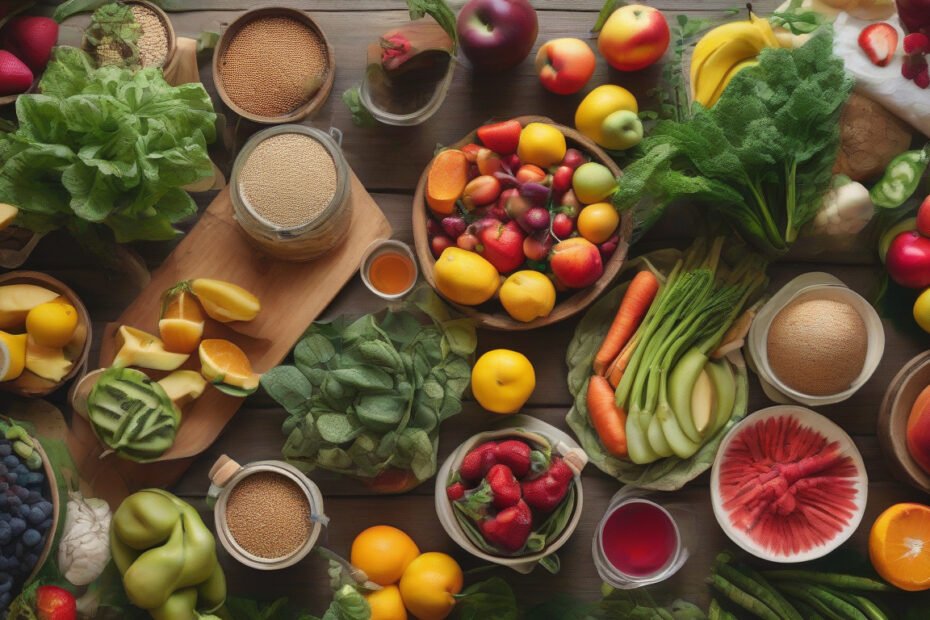
Foods such as fruits, vegetables, legumes, and whole grains provide the prebiotics that nourish beneficial gut bacteria, promoting balance and diversity in the microbiome.
Additionally, incorporating probiotics found in yogurt, kefir, and sauerkraut can introduce live beneficial bacteria to the digestive tract.
Avoiding overly processed foods high in sugar and additives can also help reduce inflammation and support gut integrity.
By focusing on the best diet for gut health, you not only improve digestion but also bolster your immune system and overall well-being.
Foods to Include: Nourishing Your Microbiome Naturally
Maintaining a healthy gut is essential for overall well-being, and the best diet for gut health can significantly impact how we feel and function daily.
To nourish your microbiome naturally, consider incorporating a variety of fiber-rich fruits and vegetables, whole grains, and fermented foods into your meals.
Foods such as bananas, apples, and leafy greens provide prebiotics that feed beneficial gut bacteria, while yogurt, kefir, sauerkraut, and kimchi introduce probiotics to your digestive system.
Additionally, legumes, nuts, and seeds are excellent sources of protein and can offer a good dose of fiber, further promoting gut health.
Reducing processed foods and sugars is also crucial, as they can disrupt the balance of gut bacteria.
By focusing on these nourishing foods, you can create the best diet for gut health, ensuring your microbiome thrives and supports your overall health.

Foods to Avoid: What Can Harm Your Gut
Maintaining a healthy gut is pivotal for overall well-being, and understanding the foods to avoid is essential in determining the best diet for gut health.
First on the list are processed foods, which often contain additives, preservatives, and high levels of sugar that can disrupt the balance of gut bacteria.
Additionally, refined carbohydrates found in white bread, pastries, and sugary snacks can lead to inflammation and digestive issues.
It’s also crucial to limit the intake of high-fat fried foods and trans fats, as they can adversely affect gut flora and promote the growth of harmful bacteria.
Moreover, excessive consumption of alcohol can irritate the gut lining and contribute to imbalances in gut microbiota.
Lastly, for some individuals, dairy products may pose a problem, especially if lactose intolerance is present, leading to bloating and gut discomfort.
By steering clear of these harmful foods and focusing on nutrient-rich, minimally processed options, you can create the best diet for gut health that supports a balanced microbiome and enhances digestive comfort.
Top Diets for Gut Health: Comparing Options
When it comes to optimizing well-being, choosing the best diet for gut health is paramount.
Recent research highlights the profound connection between gut microbiota and overall health, leading many to consider their dietary choices carefully.
Among the most recommended approaches for enhancing gut health, the Mediterranean diet stands out due to its emphasis on whole foods, healthy fats, and a rich variety of fruits and vegetables.
This diet is not only delicious but also supports a diverse gut microbiome, which is essential for digestion and immune function.
Another excellent choice is the high-fiber diet, which includes legumes, whole grains, and plenty of plant-based foods that feed beneficial gut bacteria.
Alternatively, those looking for a more structured plan might opt for the DASH diet, well-known for its low sodium intake paired with nutrient-dense foods, promoting overall health and maintaining a balanced gut flora.
Each of these diets offers a unique pathway to nurturing gut health, ultimately empowering individuals to make informed choices that best suit their lifestyles.

Creating a Personalized Gut Health Plan
Creating a personalized gut health plan is essential for anyone looking to improve their digestive wellness and overall health.
When considering the best diet for gut health, it’s important to recognize that each individual’s digestive system is unique.
Start by incorporating a variety of fiber-rich foods such as fruits, vegetables, whole grains, and legumes, which support the growth of beneficial gut bacteria.
Additionally, fermented foods like yogurt, kefir, sauerkraut, and kimchi can enhance gut flora, contributing to a more balanced microbiome.
Don’t forget to stay hydrated, as water is crucial for digestion and helps in nutrient absorption.
Tailoring these dietary choices to your personal preferences and lifestyle will not only make the process more enjoyable but also increase your chances of adherence and success in nurturing your gut health.
This post may contain affiliate links which means I may receive a commission for purchases made through links. I will only recommend products that I have personally used! Learn more on my Private Policy page.