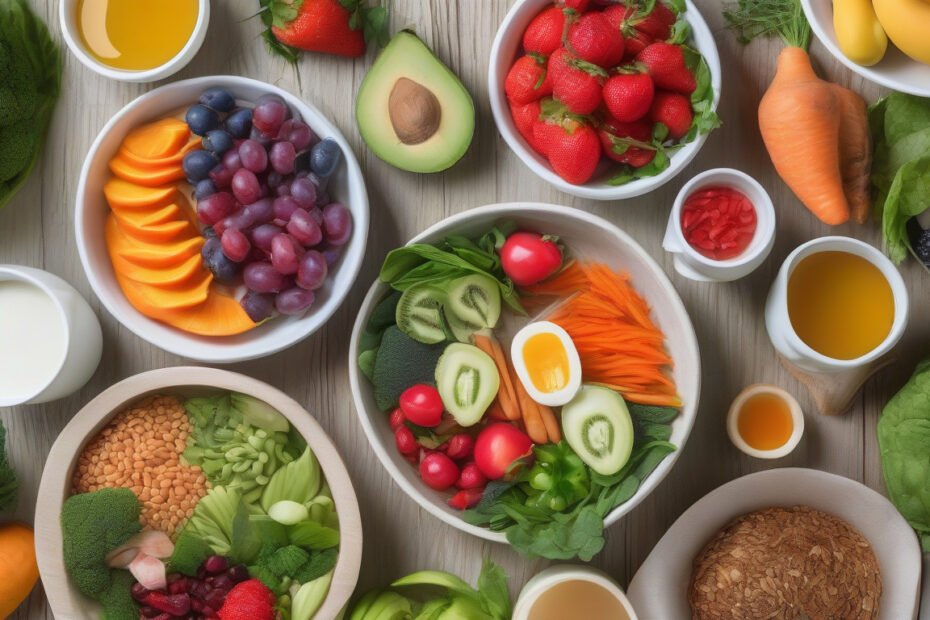
Gut health is an often-overlooked aspect of overall wellness, yet it plays a crucial role in our bodily functions and immune system.
The gut microbiome, a complex community of microorganisms living in our digestive tract, influences not only our digestion but also our mood, energy levels, and even our skin health.
Given its significance, understanding how to nourish your microbiome with the best food for gut health can lead to improved well-being.
In this article, we will explore the importance of gut health, share a breakdown of top foods that promote a thriving microbiome, and provide practical tips for incorporating these gut-friendly foods into your diet.
Free eBook | 3 Day Gentle Gut Reset

Key Takeaways
- Gut health is essential for overall well-being, as it influences digestion, immunity, and mental health.
- Incorporating a variety of nutrient-dense foods can significantly improve gut microbiome diversity.
- Fermented foods like yogurt, kefir, and sauerkraut serve as natural probiotics that support digestion.
- Understanding the difference between prebiotics and probiotics is vital for optimizing gut health.
- Consistently consuming fiber-rich foods promotes a healthy gut by enhancing digestive function and nutrient absorption.
Understanding Gut Health: The Importance of Your Microbiome
Gut health has gained significant attention in recent years, with the focus on the microbiome becoming central to discussions about overall wellness.
The microbiome, a complex community of trillions of bacteria residing in your digestive tract, plays a crucial role in your health, from aiding digestion to influencing your immune system.
Understanding gut health is essential, and one of the most effective ways to enhance it is through dietary choices.
Incorporating the best food for gut health into your meals can help balance your microbiome, reduce inflammation, and support effective digestion.
Foods rich in fiber, such as fruits, vegetables, and whole grains, act as prebiotics, providing nourishment to beneficial gut bacteria.
Fermented foods like yogurt, kefir, sauerkraut, and kimchi are also vital, as they contain probiotics that contribute positively to gut flora diversity.
By focusing on these aspects of nutrition, you can significantly improve your gut health, promote overall wellness, and potentially mitigate the risk of various health issues.
Top Foods for Gut Health: A Nutritional Breakdown
When it comes to maintaining optimal gut health, understanding the best food for gut health is essential.
Foods rich in probiotics, such as yogurt, kefir, and fermented vegetables, introduce beneficial bacteria that enhance the gut microbiome.
Additionally, high-fiber foods like whole grains, legumes, fruits, and vegetables play a crucial role by promoting the growth of healthy gut bacteria and improving digestion.
Foods containing prebiotics, like garlic, onions, and bananas, serve as fuel for these beneficial microbes, ensuring they thrive.
Moreover, incorporating foods rich in omega-3 fatty acids, such as fatty fish, walnuts, and flaxseeds, can reduce inflammation in the gut lining.
By choosing a diverse range of the best food for gut health, individuals can support their digestive system, enhance nutrient absorption, and bolster their immune function.
‘Let food be thy medicine and medicine be thy food.’ – Hippocrates
Free eBook | 3 Day Gentle Gut Reset

Fermented Foods: Natural Probiotics for Your Digestive System
Fermented foods are increasingly recognized as some of the best food for gut health, thanks to their rich content of natural probiotics.
These foods undergo a fermentation process, where beneficial bacteria break down sugars and starches, creating a range of gut-friendly nutrients.
Examples such as yogurt, kefir, sauerkraut, kimchi, and kombucha not only enhance the flavor of meals but also play a crucial role in maintaining a balanced microbiome.
Consuming these foods regularly can help enhance digestion, boost the immune system, and even contribute to mental well-being.
By incorporating fermented foods into your diet, you can improve your overall gut health and promote a more resilient digestive system.
Prebiotics vs. Probiotics: What’s the Difference?
When it comes to maintaining a healthy gut, understanding the difference between prebiotics and probiotics is crucial for making informed dietary choices.
Both play essential roles in fostering a beneficial gut environment, but they function in distinct ways.
Probiotics are live bacteria found in certain foods and supplements that directly contribute to gut health by adding beneficial microbes to your digestive system.
In contrast, prebiotics are non-digestible fibers that serve as food for these beneficial bacteria, promoting their growth and activity.
Routine inclusion of both in your diet ensures a balanced gut microbiome.
To achieve optimal gut health, consider incorporating foods rich in prebiotics—such as garlic, onions, and bananas—alongside probiotic-rich options like yogurt and sauerkraut.
By choosing the best food for gut health that includes a mix of both prebiotics and probiotics, you pave the way for improved digestion and overall wellness.

The Role of Fiber in Promoting Gut Health
When it comes to identifying the best food for gut health, fiber stands out as a critical component.
Fiber is a type of carbohydrate that the body cannot digest; instead, it plays a vital role in maintaining digestive health by aiding in regular bowel movements and preventing constipation.
Foods rich in fiber, such as whole grains, fruits, vegetables, legumes, and nuts, feed the beneficial bacteria in the gut, promoting a balanced microbiome.
This balance is essential for optimal digestion, nutrient absorption, and even immune function.
Moreover, a fiber-rich diet can help reduce inflammation and lower the risk of chronic diseases, highlighting just how important it is to include fiber in our meals.
By prioritizing high-fiber foods, individuals can enhance their gut health, leading to improved overall well-being.
Incorporating Gut-Friendly Foods into Your Diet
When it comes to maintaining a healthy digestive system, understanding the best food for gut health is paramount.
A well-balanced diet rich in probiotics and prebiotics can significantly contribute to gut flora diversity, which is essential for effective digestion and overall well-being.
Foods such as yogurt, kefir, sauerkraut, and kimchi are excellent sources of probiotics, promoting the growth of beneficial bacteria in the gut.
Additionally, incorporating fiber-rich foods like whole grains, legumes, fruits, and vegetables boosts the intake of prebiotics, which serve as food for these good bacteria.
By making a conscious effort to integrate these gut-friendly foods into your daily meals, you can enhance your digestive health, reduce bloating, and improve nutrient absorption, thus setting the stage for a healthier lifestyle.

Tips for Maintaining a Healthy Gut Long-Term
Maintaining a healthy gut is essential for overall wellness, and incorporating the best food for gut health into your daily diet is a crucial step.
To optimize gut health long-term, focus on a variety of fiber-rich foods such as whole grains, fruits, and vegetables, which serve as fuel for beneficial gut bacteria.
Probiotic-rich foods like yogurt, kefir, and fermented vegetables can enhance the diversity of your gut microbiome.
Additionally, prebiotic foods, including garlic, onions, and bananas, promote the growth of these healthy bacteria.
Stay hydrated by drinking plenty of water, as it aids digestion and helps move food through your gut efficiently.
Limiting processed foods, refined sugars, and artificial additives is also essential, as they can disrupt gut flora.
Moreover, managing stress through mindfulness practices and regular exercise supports gut health, creating a balanced environment for your digestive system.
By making these lifestyle choices and being mindful of the best food for gut health, you can establish a thriving gut microbiome that supports your health for years to come.
This post may contain affiliate links which means I may receive a commission for purchases made through links. I will only recommend products that I have personally used! Learn more on my Private Policy page.