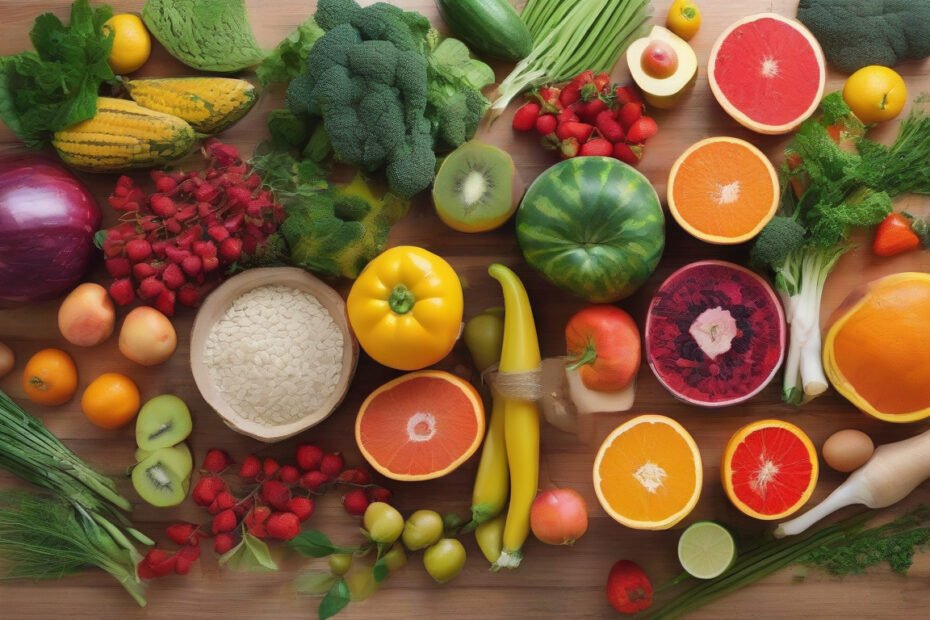
In the hustle and bustle of modern life, gut health is an essential yet often overlooked component of overall wellness.
The intricate balance of microorganisms in our digestive tract, known as the gut microbiome, plays a crucial role in everything from digestion to immune function and mental health.
Evidence suggests that a well-balanced diet to improve gut health can significantly enhance your digestive wellness, making it vital to understand what you consume.
In this comprehensive guide, we’ll delve into the importance of gut health, explore how dietary choices impact digestion, highlight key nutrients essential for gut well-being, and provide practical tips for crafting a personalized meal plan that promotes a thriving digestive system.
Free eBook | 3 Day Gentle Gut Reset
 Free eBook | 3 Day Gentle Gut Reset

Key Nutrients for Improving Gut Health
To foster optimal gut health, it’s essential to pay attention to the crucial nutrients found in a balanced diet to improve gut health.
Fiber is at the forefront, as it acts as a prebiotic, feeding the beneficial bacteria in your gut.
Foods high in fiber – such as whole grains, legumes, fruits, and vegetables – can enhance digestive function and promote a diverse microbiome.
Additionally, probiotics, which are live beneficial bacteria found in fermented foods like yogurt, kimchi, and sauerkraut, play a vital role in maintaining a healthy gut environment.
They help restore balance to the gut flora, especially after disturbances such as antibiotic use.
Omega-3 fatty acids, often present in fatty fish, flaxseeds, and walnuts, also contribute positively by reducing inflammation in the gut and supporting overall health.
Incorporating these key nutrients into your daily diet to improve gut health not only aids digestion but also bolsters your immune system, significantly impacting your overall well-being.
Foods to Include in Your Gut Health Diet
Maintaining a healthy gut is essential for overall well-being, and the right diet to improve gut health plays a significant role in achieving this goal.
When planning your meals, focus on incorporating a variety of fiber-rich foods such as fruits, vegetables, whole grains, and legumes, which serve as fuel for beneficial gut bacteria.
Fermented foods like yogurt, kimchi, and sauerkraut are also vital as they introduce probiotics to the digestive system, promoting a balanced intestinal microbiome.
Additionally, healthy fats from sources like avocados, nuts, and olive oil can support gut lining integrity.
Don’t forget to hydrate adequately, as water aids digestion and nutrient absorption.
By strategically including these foods in your diet to improve gut health, you can enhance digestive function, boost immune support, and contribute to overall vitality.

Foods to Avoid for Optimal Digestion
When considering a diet to improve gut health, it’s essential to be aware of specific foods that can hinder digestive function.
Highly processed foods, which often contain additives and preservatives, can disrupt the natural balance of gut bacteria, leading to bloating and discomfort.
Sugary snacks and beverages also pose a challenge, as they can feed harmful bacteria in the gut.
Additionally, foods high in trans fats, such as fried items and margarine, can lead to inflammation, adversely affecting digestion over time.
It’s wise to limit red meat and high-fat dairy products, as they can slow down digestion and promote discomfort.
Lastly, some individuals may find that gluten-containing products, especially if they have gluten sensitivity, can significantly impact their gut health.
By understanding these dietary pitfalls, you can make informed choices that support a healthier gut environment.
Creating a Personalized Gut Health Meal Plan
Creating a personalized gut health meal plan is an essential step towards achieving optimal digestive wellness and improving overall health.
To begin with, it’s important to focus on the right foods that contribute to a balanced diet to improve gut health.
Incorporating a variety of fiber-rich fruits, vegetables, whole grains, and legumes can significantly enhance gut flora by providing prebiotics that fuel beneficial bacteria.
Moreover, consider including fermented foods like yogurt, kefir, sauerkraut, and kimchi, as these provide probiotics that restore balance in your gut microbiome.
Don’t forget to stay hydrated with plenty of water, as it supports digestion and nutrient absorption.
It’s also wise to minimize processed foods, added sugars, and high-fat items, as these can disrupt gut health.
By taking the time to create a customized meal plan that reflects these principles and addresses your personal preferences and nutritional needs, you’ll not only work towards a healthier gut but also enhance your overall well-being.

Tips for Maintaining Long-term Digestive Wellness
When it comes to maintaining long-term digestive wellness, adopting a balanced diet to improve gut health is essential.
Start by incorporating a variety of fiber-rich foods such as fruits, vegetables, whole grains, and legumes into your meals; this not only aids digestion but also promotes the growth of beneficial gut bacteria.
Probiotics, found in fermented foods like yogurt, sauerkraut, and kimchi, play a crucial role in boosting gut health by enhancing the population of good bacteria in your microbiome.
Additionally, staying hydrated is vital—water aids in the breakdown of food and the absorption of nutrients, ensuring your digestive system functions optimally.
Moreover, it is wise to limit processed and high-sugar foods, as these can disrupt your gut flora, leading to inflammation and digestive issues.
Regular exercise and managing stress are equally important; physical activity stimulates digestion, while mindfulness practices can help maintain a healthy gut-brain connection.
By focusing on these tips and consistently following a diet to improve gut health, you can significantly enhance your digestive wellness and overall well-being.
This post may contain affiliate links which means I may receive a commission for purchases made through links. I will only recommend products that I have personally used! Learn more on my Private Policy page.