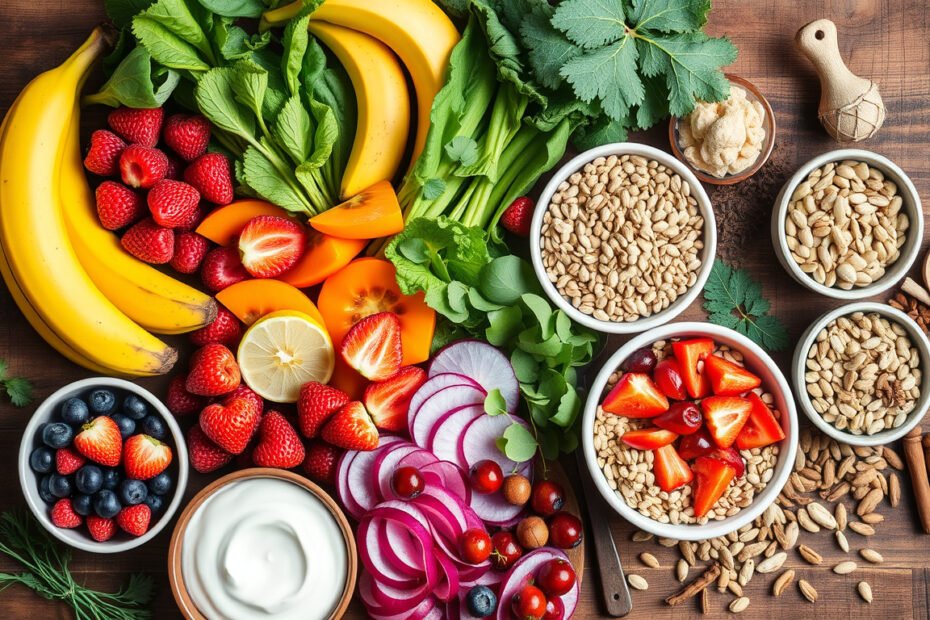
Gut health is an integral part of our overall well-being, influencing everything from our immune system to our mood and even our weight management.
At the core of gut health lies the microbiome—a complex community of trillions of microorganisms that reside mainly in our intestines.
Understanding which foods are good for gut health can empower you to nourish your microbiome naturally.
In this article, we’ll explore the best foods you can incorporate into your diet to enhance your gut health, focusing on the vital roles of fiber, probiotics, fermented foods, and prebiotics.
Discover how to enrich your diet with gut-friendly options and transform your overall health.
Free eBook | 3 Day Gentle Gut Reset
Key Takeaways
- Good gut health is essential for overall well-being and is closely linked to the microbiome.
- Fiber-rich foods play a vital role in maintaining gut health and promoting digestion.
- Probiotics, found in certain foods, help enhance the growth of beneficial gut bacteria.
- Fermented foods like yogurt and kimchi offer natural boosts to your gut health.
- Incorporating prebiotics in your diet feeds good bacteria and supports a balanced microbiome.
Understanding Gut Health and the Microbiome
Understanding gut health and the microbiome is essential for anyone looking to improve their overall well-being.
The gut microbiome, a complex community of trillions of microorganisms living in our digestive tracts, plays a crucial role in not only digestion but also in our immune system, weight management, and even mental health.
Incorporating foods good for gut health into your diet can significantly enhance the diversity and efficiency of these beneficial microbes.
Foods rich in probiotics like yogurt, kefir, and sauerkraut are legendary for promoting gut flora balance, while prebiotic foods such as garlic, onions, and bananas serve as nourishment for these good bacteria.
Additionally, high-fiber foods, including beans and whole grains, can foster optimal digestive function and help prevent issues like bloating or constipation.
By prioritizing these foods good for gut health, you’re not only supporting a thriving microbiome but also paving the way for improved health outcomes.
The Role of Fiber in Gut Health
Fiber plays a crucial role in promoting gut health, making it essential to include a variety of fiber-rich foods in your diet.
Foods good for gut health, such as fruits, vegetables, legumes, and whole grains, are high in dietary fiber, which acts as a prebiotic, feeding the beneficial bacteria in your gut.
These friendly bacteria help to break down food, produce essential nutrients, and maintain a balanced intestinal environment.
By consuming adequate amounts of fiber, you can enhance digestion, reduce the risk of gastrointestinal disorders, and support your immune system.
Incorporating a colorful array of vegetables like broccoli, spinach, and carrots, alongside fruits such as apples and berries, can significantly improve the diversity and health of your gut microbiome.
Not only does fiber facilitate regular bowel movements, but it also prevents constipation and contributes to a feeling of fullness, making it a key component of a healthy diet.
Emphasizing these foods good for gut health is a smart strategy for anyone looking to improve their overall well-being.
‘Let food be thy medicine and medicine be thy food.’ – Hippocrates
Free eBook | 3 Day Gentle Gut Reset

Probiotics: Foods that Promote Healthy Bacteria
Probiotics are live microorganisms that provide numerous health benefits when consumed, particularly for gut health.
Incorporating foods good for gut health into your daily diet can significantly enhance your digestive system’s performance and overall well-being.
Fermented foods such as yogurt, kefir, sauerkraut, and kimchi are excellent sources of probiotics.
These foods are rich in beneficial bacteria that help balance the gut microbiome, promote better nutrient absorption, and support the immune system.
Additionally, other foods good for gut health, like garlic, onions, and leeks, act as prebiotics, which feed these healthy bacteria and aid in their growth.
By adding a combination of these probiotic-rich and prebiotic foods to your meals, you can foster a thriving gut environment that not only improves digestion but also contributes to enhanced mental clarity and mood stability.
Fermented Foods: A Natural Boost for Your Gut
Fermented foods are celebrated not just for their distinctive flavors, but also for the myriad benefits they offer, particularly for gut health.
These foods are rich in probiotics, the live bacteria that promote a balanced gut microbiome.
Including foods good for gut health in your diet, such as yogurt, kefir, sauerkraut, kimchi, and miso, can help enhance digestion and bolster the immune system.
The fermentation process not only preserves these foods but also enriches them by making nutrients more accessible and digestible.
Additionally, the diversity of probiotics found in these fermented options supports a robust ecosystem of beneficial gut bacteria, which is crucial for overall health.
By incorporating a variety of fermented foods into your meals, you not only elevate your culinary experience but also invest in the well-being of your gut.

Prebiotics: Feeding Your Gut’s Good Bacteria
When it comes to maintaining a healthy digestive system, understanding prebiotics is essential, as they play a crucial role in feeding your gut’s good bacteria.
Foods good for gut health often include ingredients high in dietary fiber, which act as prebiotics—non-digestible food components that stimulate the growth or activity of beneficial microorganisms in the intestines.
Incorporating foods such as bananas, onions, garlic, and asparagus into your diet can significantly enhance your gut flora, promoting better digestion and overall health.
This synergy between prebiotics and probiotics—the live beneficial bacteria—creates a balanced gut environment, vital for nutrient absorption and immune function.
By focusing on these foods good for gut health, you can foster a thriving ecosystem within your gastrointestinal tract, paving the way for improved physical and mental well-being.
Practical Tips for Incorporating Gut-Healthy Foods
When it comes to improving your digestive health, incorporating a variety of foods good for gut health into your diet can make a significant difference.
Firstly, prioritize fermented foods like yogurt, kefir, and sauerkraut, which are rich in probiotics—beneficial bacteria that help maintain the natural balance of your gut microbiome.
Additionally, focus on high-fiber foods such as fruits, vegetables, legumes, and whole grains; these not only aid digestion but also promote the growth of healthy gut bacteria.
Incorporating prebiotic foods like garlic, onions, and bananas can further support gut health by feeding the good bacteria in your digestive system.
Lastly, consider reducing processed foods and added sugars, which can disrupt gut flora, and replacing them with nutrient-rich options.
By making these simple changes, you will not only enjoy a diverse and delicious diet but also foster a thriving gut environment.
This post may contain affiliate links which means I may receive a commission for purchases made through links. I will only recommend products that I have personally used! Learn more on my Private Policy page.