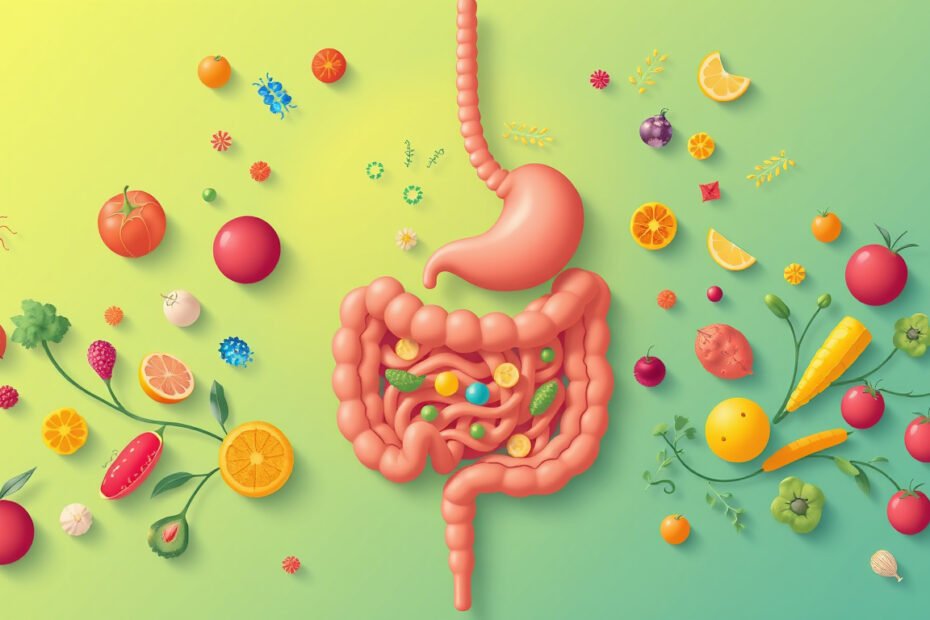
Gut health is a vital aspect of our overall well-being, yet it often goes overlooked.
As our understanding of the gut microbiome deepens, it becomes clear that optimal gut health can impact everything from digestion to mental wellness.
In this comprehensive guide, we will explore what gut health truly means, the crucial role of the microbiome, dietary recommendations, lifestyle factors that can influence your gut, signs to watch for, and the benefits of probiotics and supplements.
Whether you’re looking to improve your digestive health or simply want to maintain it, this article will provide you with the insights needed to achieve peak gut health.
Free eBook | 3 Day Gentle Gut Reset
Key Takeaways
- Gut health is vital for overall well-being and can affect various bodily functions.
- The gut microbiome consists of diverse bacteria crucial for digestive health and immunity.
- Dietary choices play a pivotal role in gut health, emphasizing the importance of certain foods while avoiding others.
- Lifestyle factors such as stress management, adequate sleep, and regular exercise significantly impact gut health.
- Probiotics and supplements can be effective tools for enhancing gut health when used appropriately.
Understanding Gut Health: What It Is and Why It Matters
Gut health refers to the balance and function of the microorganisms present in the intestinal tract, which play a critical role in overall health and wellbeing.
The gut houses trillions of bacteria, viruses, fungi, and other microbes, collectively known as the gut microbiome.
These microorganisms aid in digestion, regulate metabolism, and support the immune system.
Understanding gut health is essential as it influences various bodily functions and can impact conditions such as obesity, diabetes, and mental health disorders.
Maintaining a healthy gut can involve consuming a balanced diet rich in fiber, probiotics, and prebiotics, as well as managing stress and exercise, making it a crucial aspect of holistic health care.
The Gut Microbiome: The Key Players in Digestive Health
The gut microbiome plays a pivotal role in maintaining overall gut health, acting as a complex ecosystem of trillions of microorganisms residing in our digestive tract.
These tiny inhabitants, including bacteria, fungi, and viruses, contribute to crucial processes such as digestion, metabolism, and the immune response.
A balanced gut microbiome can enhance nutrient absorption and protect against harmful pathogens, making it essential for optimal digestive health.
Factors such as diet, lifestyle, and the use of antibiotics can significantly influence the diversity and function of gut bacteria, which in turn impacts gut health.
To support a thriving microbiome, incorporating a diet rich in fiber, fermented foods, and probiotics can promote a healthy balance of gut bacteria, ultimately leading to improved digestion and overall well-being.
‘The food you eat can be either the safest and most powerful form of medicine or the slowest form of poison.’ – Ann Wigmore
Free eBook | 3 Day Gentle Gut Reset

Dietary Choices for a Healthy Gut: Foods to Embrace and Avoid
Maintaining optimal gut health is essential for overall well-being, and making informed dietary choices plays a crucial role in achieving this balance.
To support your digestive system, consider embracing foods rich in fiber, such as whole grains, fruits, and vegetables, which promote healthy bowel movements and feed beneficial gut bacteria.
Fermented foods like yogurt, kefir, sauerkraut, and kimchi are also excellent additions to your diet, as they introduce probiotics that enhance gut flora.
On the other hand, it’s advisable to avoid processed foods high in sugar and unhealthy fats, as these can disrupt the gut microbiome and lead to inflammation.
Additionally, reducing the intake of artificial sweeteners and alcohol can further support gut health, allowing your body to thrive.
By being mindful of your dietary choices, you can cultivate a healthier gut, boosting not just your digestion but your overall health.
Lifestyle Factors Influencing Gut Health: Stress, Sleep, and Exercise
Gut health plays a crucial role in our overall well-being, and various lifestyle factors significantly influence this aspect of our health.
First and foremost, stress has been shown to disrupt the delicate balance of bacteria in our gut, often leading to gastrointestinal issues such as irritable bowel syndrome (IBS) and bloating.
Managing stress through mindfulness practices, meditation, or regular relaxation techniques can promote a healthier gut microbiome.
Secondly, sleep quality directly impacts gut health; a lack of restorative sleep can lead to an imbalance in gut bacteria and increased inflammation.
Prioritizing good sleep hygiene, such as maintaining a consistent sleep schedule and creating a comfortable sleep environment, can substantially improve both sleep quality and gut health.
Lastly, regular exercise contributes to a more diverse and robust gut microbiome, fostering beneficial bacteria while reducing harmful types.
Engaging in activities like brisk walking, yoga, or cycling not only enhances physical fitness but also benefits gut health by stimulating digestion and improving metabolism.
By consciously addressing these lifestyle factors—stress management, quality sleep, and regular exercise—you can cultivate a healthier gut, enhancing your overall health and improving your quality of life.

Signs of a Healthy vs. Unhealthy Gut: How to Self-Assess
Understanding gut health is essential for overall well-being, as it plays a crucial role in digestion, immunity, and even mental health.
To self-assess your gut health, start by looking for signs of a healthy gut.
These indicators include regular bowel movements, minimal bloating, consistent energy levels, and a balanced mood.
If you notice frequent gastrointestinal discomfort, irregular bowel habits, persistent fatigue, or unexplained skin issues, these may be signs of an unhealthy gut.
Additionally, pay attention to your diet; a fiber-rich intake, plenty of fruits and vegetables, and fermented foods support a thriving gut microbiome.
On the contrary, high sugar and processed food consumption can disrupt gut flora, leading to adverse health outcomes.
By learning to identify these signs of gut health versus dysfunction, you can take proactive steps to restore balance and improve your overall health.
Probiotics and Supplements: Boosting Your Gut Health Effectively
Maintaining optimal gut health is crucial for overall well-being, and probiotics and supplements play a significant role in achieving this balance.
These beneficial microorganisms support digestion and help maintain the integrity of the gut lining, ultimately enhancing nutrient absorption and immune function.
When choosing probiotics, look for those with a variety of strains, as diverse bacteria can provide more robust health benefits.
Additionally, incorporating supplements that contain prebiotics, which serve as food for probiotics, can further enhance gut health by fostering a thriving microbiome.
Remember to consult with a healthcare professional to find the right combination of probiotics and supplements that suit your individual needs and contribute to a healthier gut.
This post may contain affiliate links which means I may receive a commission for purchases made through links. I will only recommend products that I have personally used! Learn more on my Private Policy page.