In today’s fast-paced world, our health often takes a backseat to our busy schedules.
However, one area that increasingly demands our attention is gut health.
A well-functioning gut is integral not only for digestion but also for overall well-being and disease prevention.
This article will explore the vital concept of the gut health diet—what it entails, why it’s essential, and how it can transform your well-being.
By understanding the intricacies of the gut microbiome and incorporating the right foods into your diet, you can optimize digestion and enhance your health.
Let’s dive in and discover the ultimate gut health diet!
Free eBook | 3 Day Gentle Gut Reset

Key Takeaways
- Gut health is crucial for overall well-being and optimal digestion.
- A healthy gut microbiome is essential for nutrient absorption and immune function.
- Incorporating fiber-rich fruits, vegetables, and whole grains can enhance gut health.
- Probiotics and prebiotics play a significant role in maintaining gut flora balance.
- Practical meal planning can make it easier to adopt a gut health diet.
Introduction to Gut Health: Why It Matters
Gut health is an essential aspect of overall wellness that is gaining increasing attention in the health and nutrition community.
A well-balanced gut health diet can lead to numerous benefits, including improved digestion, enhanced immunity, and even better mental health.
The gut microbiome, which consists of trillions of bacteria residing in the digestive tract, plays a crucial role in maintaining our health and is influenced significantly by the foods we consume.
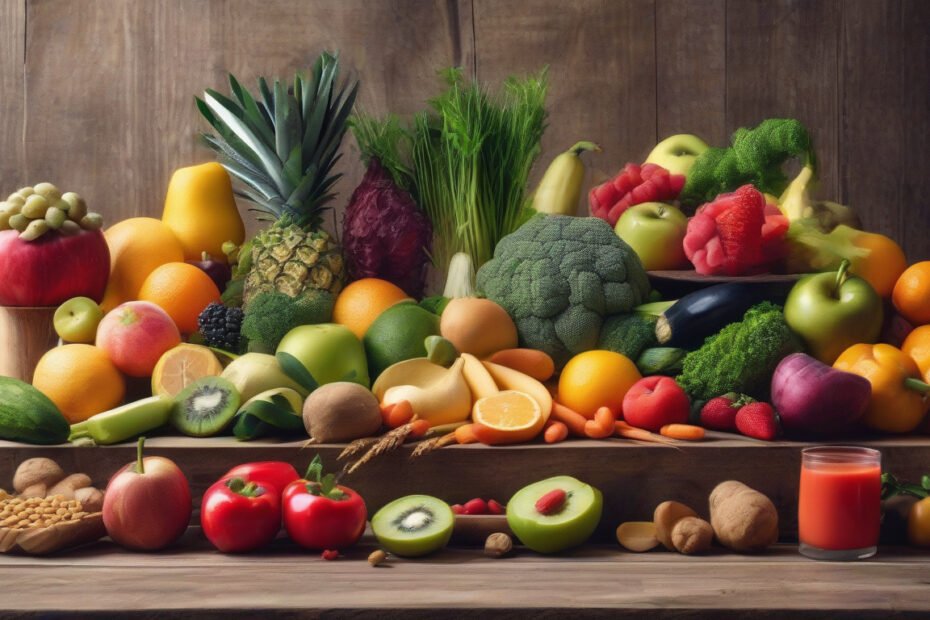
Incorporating a variety of fiber-rich fruits, vegetables, and fermented foods into your diet can support a robust microbial community, helping to optimize your gut health.
This article will explore the key components of a gut health diet, how it can impact your well-being, and practical tips for integrating gut-friendly foods into your daily meals.
Understanding the Gut Microbiome
The gut microbiome, a complex community of trillions of microorganisms residing in our digestive system, plays a crucial role in our overall health.
Understanding this intricate ecosystem can lead us to better appreciate the importance of a gut health diet.
These microorganisms aid in digestion, regulate the immune system, and even influence our mood and energy levels.
Recent research highlights that a diverse microbiome is key to optimal health, and this can be achieved through specific dietary choices.
Foods rich in fiber, probiotics, and prebiotics can promote the growth of beneficial bacteria, enhancing gut health and, consequently, our well-being.
By incorporating fermented foods like yogurt and sauerkraut, along with a variety of fruits, vegetables, and whole grains into your meals, you’re not just fueling your body but also nurturing your gut microbiome.
Ultimately, understanding the gut microbiome and adopting a gut health diet can lead to lasting health benefits.
‘Let food be thy medicine and medicine be thy food.’ – Hippocrates
Free eBook | 3 Day Gentle Gut Reset

Key Components of a Gut Health Diet
When it comes to improving your overall wellness, a gut health diet plays an essential role.
This approach focuses on nourishing your digestive system to promote a healthy balance of gut bacteria.
The key components of a gut health diet include a diverse array of fiber-rich fruits and vegetables, whole grains, and fermented foods.
By incorporating foods such as yogurt, kefir, sauerkraut, and kombucha, you’re not only enhancing your nutrient intake but also supporting the growth of beneficial probiotics.
Additionally, it’s crucial to limit processed foods and added sugars, as these can negatively impact gut flora.
Ensuring adequate hydration and nurturing a mindful eating routine are also vital elements of a gut health diet, further enabling digestion and nutrient absorption.
Foods to Embrace for Optimal Digestion
When considering a gut health diet, it’s essential to include a variety of foods that promote optimal digestion and overall gut function.
Start by incorporating high-fiber foods such as fruits, vegetables, and whole grains into your meals.
These foods not only aid in digestion but also help foster the growth of beneficial gut bacteria.
For example, foods like apples, berries, and leafy greens are rich in soluble and insoluble fiber, crucial for maintaining regular bowel movements.
Fermented foods, such as yogurt, kefir, sauerkraut, and kimchi, are also excellent additions to a gut health diet, as they introduce probiotics that enhance the balance of gut flora.
Additionally, don’t overlook the importance of hydration; drinking plenty of water aids in the digestion process.
Incorporating these food types into your daily regimen supports a healthier gut, leading to improved digestion, increased energy levels, and better overall health.

Foods to Avoid for a Healthy Gut
Maintaining a gut health diet is crucial for overall well-being, as it directly impacts digestion, immunity, and even mental health.
To support your gut health, there are certain foods you should avoid.
First, highly processed foods, which are often loaded with refined sugars and unhealthy fats, can disrupt gut bacteria balance.
Additionally, artificial sweeteners found in many diet products can negatively affect gut microbiota.
Another group to steer clear of includes foods high in trans fats, such as fried snacks and baked goods, as these can promote inflammation.
Moreover, excessive alcohol consumption can irritate the gut lining and lead to an imbalance in gut bacteria.
Lastly, be cautious with dairy products, especially if you’re lactose intolerant, as they may trigger digestive issues.
By consciously limiting these foods, you’ll be taking a significant step toward enhancing your gut health and overall vitality.
The Role of Probiotics and Prebiotics
In recent years, the significance of a gut health diet has gained remarkable attention, particularly concerning the roles of probiotics and prebiotics.
Probiotics are live microorganisms, often referred to as ‘good bacteria,’ that help maintain and restore the natural balance of our gut flora.
These beneficial bacteria are crucial for digestion, nutrient absorption, and immune function.
On the other hand, prebiotics serve as food for these probiotics; they are non-digestible fibers found in various fruits, vegetables, and whole grains.
Incorporating a gut health diet rich in both probiotics and prebiotics can enhance gut flora diversity, improve gut barrier function, and may even influence mood and mental health through the gut-brain connection.
Foods like yogurt, sauerkraut, bananas, and garlic can easily integrate into your meals, making it simple to boost your gut health while enjoying deliciously nourishing options.

Practical Tips for Implementing a Gut Health Diet
Implementing a gut health diet is essential for promoting overall wellness and improving digestion.
Start by incorporating a variety of high-fiber foods, such as fruits, vegetables, whole grains, and legumes.
These foods not only help in maintaining a healthy weight but also ensure regular bowel movements, which are vital for gut health.
Fermented foods, like yogurt, kefir, and sauerkraut, are rich in probiotics that enhance the gut microbiome.
Aim to include a handful of these in your daily meals.
Additionally, consider reducing your intake of processed foods and sugar, as these can disrupt the balance of beneficial gut bacteria.
Staying hydrated is crucial, so drink plenty of water throughout the day to aid digestion and nutrient absorption.
Lastly, listen to your body; pay attention to how different foods affect your gut and adjust your diet accordingly.
By following these practical tips, you can effectively enhance your gut health diet and support long-term digestive health.
This post may contain affiliate links which means I may receive a commission for purchases made through links. I will only recommend products that I have personally used! Learn more on my Private Policy page.