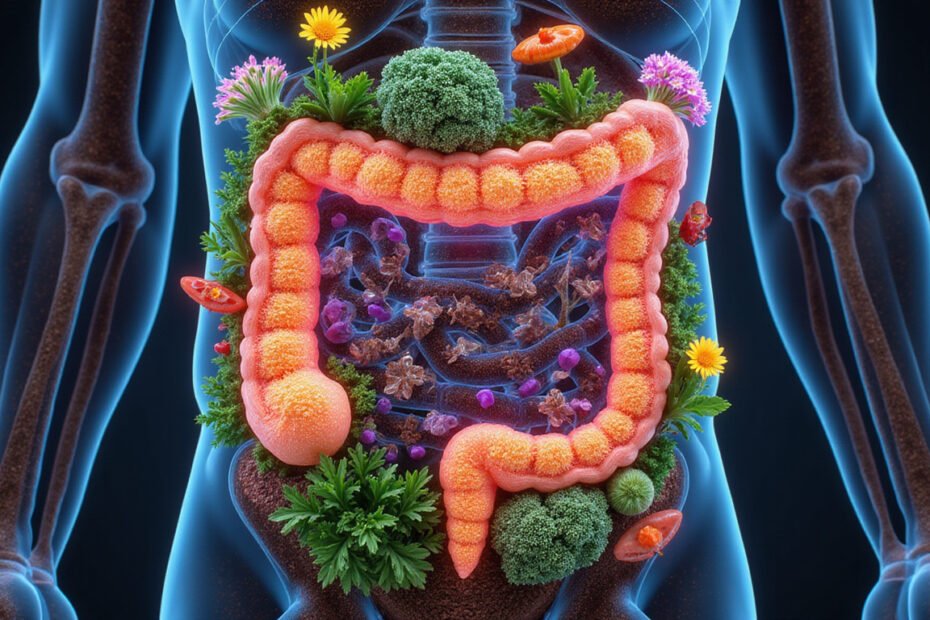
Your gut microbiome—the vast community of bacteria, fungi, and other microorganisms living in your digestive tract—quietly shapes almost every aspect of your health. From digestion and immune function to mood and metabolism, these tiny residents play an outsized role. The good news: you don’t need a complicated plan or expensive supplements to support them. Simple, consistent diet shifts can dramatically improve the balance of your gut microbes and, in turn, how you feel day to day.
Below, you’ll learn what the gut microbiome is, why it matters, and the most practical, research-backed food changes you can start using today.
What Is the Gut Microbiome—and Why Should You Care?
The gut microbiome is the collection of trillions of microorganisms (mostly bacteria, but also viruses, fungi, and archaea) that live primarily in your large intestine. Together, they function like a hidden organ with jobs such as:
- Breaking down fibers you can’t digest on your own
- Producing vitamins like vitamin K and some B vitamins
- Supporting your immune system
- Helping regulate inflammation throughout your body
- Communicating with your brain via the gut–brain axis
When your gut microbiome is diverse and well-balanced, it’s linked with:
- Better digestion and regular bowel movements
- Stronger immune response
- More stable mood and energy
- Healthier weight and metabolic function
When it’s out of balance—often called dysbiosis—it’s associated with issues like IBS, bloating, skin problems, low energy, and potentially higher risk of chronic disease (source: Harvard T.H. Chan School of Public Health).
Diet is the single most powerful daily lever you have for shaping this ecosystem.
The Microbiome’s Favorite Food: Fiber
If you remember only one thing, let it be this: fiber is food for your gut microbes.
Human cells can’t break down many types of fiber, but your gut bacteria can. When they ferment fiber, they produce beneficial compounds called short-chain fatty acids (SCFAs), like butyrate, acetate, and propionate. These SCFAs:
- Nourish the cells lining your colon
- Help reduce inflammation
- Support blood sugar regulation
- May influence appetite and weight control
Simple Fiber Boosting Shifts
Instead of trying to overhaul your diet, add a bit more fiber to what you already eat:
- Swap white bread for whole grain or sprouted grain bread.
- Add a handful of beans or lentils to soups, salads, or pasta.
- Keep skins on fruits and vegetables when edible (e.g., apples, carrots, potatoes).
- Sprinkle ground flaxseed or chia seeds over yogurt, oatmeal, or smoothies.
Aim for 20–30 grams of fiber per day (or more, if tolerated). Increase gradually and drink plenty of water to avoid discomfort.
Diversity Is King: Eat “30 Plants a Week”
Research on the gut microbiome repeatedly shows that dietary diversity—especially plant diversity—is key. Different microbes feed on different plant compounds, so more variety means more types of beneficial bacteria can thrive.
A practical goal popularized by the American Gut Project is to aim for 30 different plant foods per week, including:
- Vegetables
- Fruits
- Whole grains
- Beans and lentils
- Nuts and seeds
- Herbs and spices
How to Easily Increase Plant Variety
You don’t need elaborate recipes to do this. Try:
- Buying a mixed salad base instead of just romaine or iceberg.
- Rotating your grains: brown rice, quinoa, oats, barley, bulgur, whole-wheat pasta.
- Keeping a “plant count” on your fridge and adding new items each week.
- Using mixed frozen vegetable blends for quick stir-fries or soups.
Just a tablespoon of a new herb or a sprinkle of a different nut counts toward your weekly plant total.
Prebiotics vs. Probiotics: What’s the Difference?
Both terms are closely tied to gut microbiome health, but they’re not the same.
Prebiotics: Food for Good Bacteria
Prebiotics are certain types of fiber and compounds that selectively feed beneficial gut bacteria. Common prebiotic-rich foods include:
- Garlic, onions, leeks, and shallots
- Asparagus and Jerusalem artichokes
- Bananas (especially slightly underripe)
- Oats and barley
- Chicory root and dandelion greens
- Beans and lentils
Adding small amounts of these to regular meals can steadily nourish your microbes.
Probiotics: Live Beneficial Microbes
Probiotics are live microorganisms that can offer health benefits when consumed in adequate amounts. You can take probiotics as supplements, but you can also get them from fermented foods, such as:
- Yogurt with live and active cultures
- Kefir
- Sauerkraut (raw, unpasteurized)
- Kimchi
- Miso
- Tempeh
- Kombucha (moderation if high in sugar)
You don’t need a lot—a small serving daily or several times a week is a good starting point.
Fermented Foods: A Simple Daily Habit
Fermented foods are a straightforward way to support your gut microbiome. They not only deliver live bacteria but also beneficial compounds formed during fermentation.
Easy Ways to Include Fermented Foods
- Stir sauerkraut into grain bowls or serve it alongside eggs.
- Have a small glass of kefir with breakfast or as a snack.
- Use miso paste in soup broth or salad dressings (don’t boil it to preserve microbes).
- Add a spoonful of kimchi to stir-fries right at the end of cooking or on the side.
If you’re new to fermented foods or have a sensitive stomach, start with one to two tablespoons per day and notice how you feel.
What to Cut Back On for a Happier Gut
Supporting your gut microbiome isn’t only about what you add. Certain modern diet habits can work against a healthy microbial balance.
1. Ultra-Processed Foods
Diets high in ultra-processed foods—those loaded with additives, refined oils, sugars, and emulsifiers—are linked to lower microbial diversity and more inflammation. Common examples:
- Packaged snack cakes, chips, and crackers
- Sugary breakfast cereals
- Fast food and frozen “TV dinners”
- Many flavored yogurts with long ingredient lists
You don’t have to eliminate these entirely, but shifting toward more whole or minimally processed foods most of the time can make a real difference.

2. Excess Added Sugar
High sugar intake can promote an overgrowth of less desirable microbes and may crowd out more beneficial ones.
Practical reductions:
- Choose unsweetened yogurt and lightly sweeten it yourself with fruit.
- Replace soda or sweetened coffee drinks with water, herbal tea, or sparkling water.
- Check labels for hidden sugars in sauces, dressings, and packaged foods.
3. Alcohol in Large Amounts
Frequent heavy drinking can disrupt the gut barrier and microbiome. If you drink, consider:
- Sticking to recommended limits
- Having alcohol-free days each week
- Alternating alcoholic drinks with water when socializing
Simple Daily Habits for a Stronger Gut Microbiome
Small, consistent actions matter more than perfection. Here are practical, low-friction habits you can build into your routine:
-
Start your day with fiber
Oatmeal with berries and seeds, whole grain toast with avocado, or a smoothie with greens and flaxseed. -
“Add one plant” to every meal
Whatever you’re eating, ask: “What’s one extra plant I can add?” Tomato slices, a handful of spinach, a side of beans, or a piece of fruit. -
Include fermented foods several times per week
Even 2–3 tablespoons of sauerkraut or a small glass of kefir counts. -
Rotate your grains and legumes
Instead of rice every night, try quinoa, barley, or farro; swap lentils, chickpeas, and black beans across the week. -
Hydrate consistently
Fiber works best with adequate fluid. Keep water nearby and sip throughout the day.
How Quickly Can Diet Changes Affect Your Gut?
The gut microbiome is surprisingly responsive. Studies show that dietary changes can start shifting microbial populations within 24–72 hours. But for stable, beneficial changes, consistency over weeks and months matters more than any one “perfect” day.
You might notice improvements like:
- Less bloating and more regular digestion
- More stable energy
- Mild improvements in mood or stress resilience
If you have a digestive condition, go slowly and consider working with a registered dietitian or healthcare provider familiar with gut health.
One-Week Gut-Friendly Eating Blueprint (Example)
Use this as inspiration, not a rigid plan. The idea is to emphasize plants, fiber, and fermented foods while minimizing ultra-processed items.
Breakfast ideas
- Oats cooked with chia seeds, topped with berries and a spoonful of yogurt
- Whole grain toast with hummus, tomato, and arugula
- Smoothie with spinach, banana, frozen berries, flaxseed, and kefir
Lunch ideas
- Mixed bean and vegetable soup with a slice of whole grain bread
- Large salad with leafy greens, quinoa, chickpeas, mixed veggies, and olive oil–lemon dressing
- Brown rice bowl with roasted vegetables, tempeh, and a side of kimchi
Dinner ideas
- Baked salmon, roasted Brussels sprouts, and sweet potato (skins on)
- Lentil curry with mixed vegetables over barley
- Stir-fry with tofu, broccoli, peppers, snap peas, and garlic over brown rice
Snacks
- A piece of fruit plus a handful of nuts
- Carrot sticks with hummus
- Plain yogurt with cinnamon and sliced banana
Even adopting one meal per day that looks roughly like this can positively influence your gut microbiome over time.
FAQ: Common Questions About the Gut Microbiome
1. How do I know if my gut microbiome is healthy?
Signs of a relatively healthy gut microbiome can include regular, comfortable bowel movements, minimal bloating or pain, stable energy, and fewer frequent infections. However, there’s no simple home test to perfectly measure microbiome health. Stool tests can provide information but are still an evolving area. Focusing on a varied, fiber-rich diet is a reliable way to support your gut regardless of test results.
2. Can I improve my gut bacteria without probiotics or supplements?
Yes. For most people, diet and lifestyle are more important than probiotic supplements. Eating a wide variety of plant foods, increasing fiber, including some fermented foods, limiting ultra-processed products, managing stress, moving your body regularly, and getting good sleep all support a healthier gut microbiome. Supplements may be useful in specific cases, but they’re not mandatory.
3. What foods are best for restoring gut flora after antibiotics?
After antibiotics, emphasize high-fiber plant foods (vegetables, fruits, legumes, whole grains), prebiotic-rich foods (like onions, garlic, asparagus, oats, and bananas), and fermented foods (yogurt with live cultures, kefir, sauerkraut, kimchi, miso). Increase gradually if your digestion feels sensitive. Talk with your healthcare provider about whether a targeted probiotic strain is appropriate for your situation.
Take Action: Start with One Simple Gut Shift Today
Your gut microbiome responds to what you eat every single day. You don’t need a perfect diet or a long list of supplements—just consistent, manageable changes. Start with one small shift: add a new plant to your dinner, swap a refined grain for a whole grain, or include a spoonful of sauerkraut or a glass of kefir this week.
From there, build gradually. Each additional plant, each extra gram of fiber, and each serving of fermented food is a vote in favor of a healthier, more resilient gut ecosystem.
If you’re ready to feel the difference a thriving gut microbiome can make—better digestion, steadier energy, and stronger overall health—pick one of the strategies above and put it into practice at your very next meal. Your microbes, and your future self, will thank you.
This post may contain affiliate links which means I may receive a commission for purchases made through links. I will only recommend products that I have personally used! Learn more on my Private Policy page.