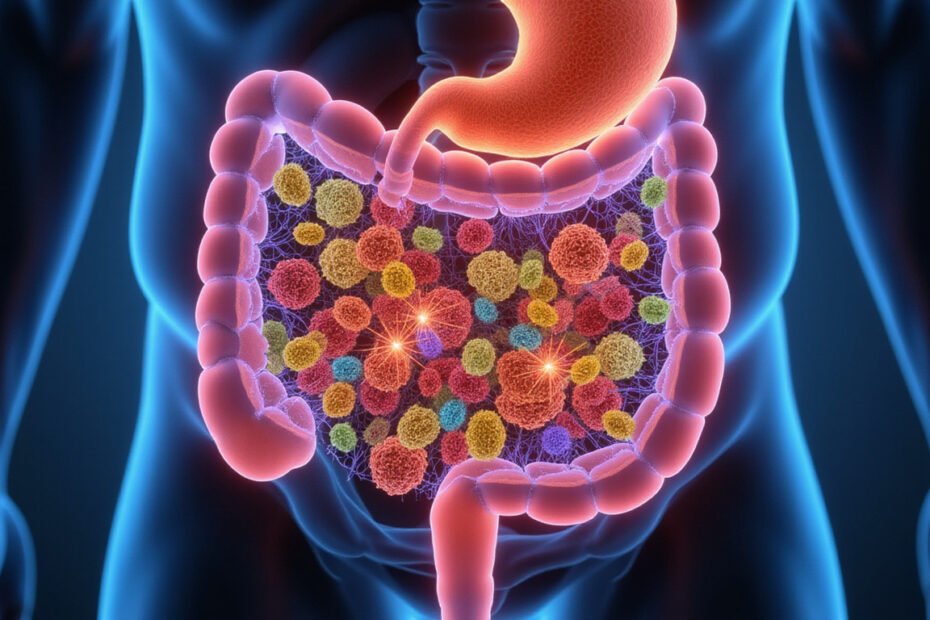
Dysbiosis is more common than most people realize. From bloating and brain fog to unexplained skin issues, the symptoms of dysbiosis—an imbalance in your gut microbiome—can quietly undermine your energy, mood, and immunity. The good news: once you understand what’s going on in your gut, restoring balance is often simpler than it seems.
This guide walks you through dysbiosis symptoms, root causes, testing options, and practical, evidence-informed solutions to help you restore gut health with confidence.
What Is Dysbiosis?
Dysbiosis refers to an imbalance in the community of microorganisms—bacteria, fungi, viruses—that live in your digestive tract. In a healthy gut, beneficial microbes keep potentially harmful ones in check, help digest food, produce vitamins, and support your immune system.
With dysbiosis, this balance is disrupted. You may have:
- Too few beneficial bacteria
- Overgrowth of potentially harmful species
- Reduced diversity of microbes
This imbalance can affect digestion, inflammation levels, hormone metabolism, and even how you think and feel, due to the gut–brain axis.
Common Dysbiosis Symptoms You Shouldn’t Ignore
Dysbiosis doesn’t look the same in everyone. Some people struggle mostly with digestion, while others notice skin, mood, or immune changes first. Below are some of the most frequent symptom clusters.
1. Digestive Symptoms
These are the symptoms most people associate with gut issues:
- Bloating, especially after meals
- Excessive gas or belching
- Abdominal pain or cramping
- Diarrhea, constipation, or alternating between the two
- Indigestion or a feeling of food “sitting” in the stomach
- Foul-smelling stools or noticeable changes in stool appearance
Persistent digestive symptoms, especially when they’re new or worsening, can be a strong clue that dysbiosis is present.
2. Skin and Allergy-Like Symptoms
The gut and skin are closely linked via the immune system and inflammation pathways. Dysbiosis may be associated with:
- Acne or rosacea flare-ups
- Eczema or psoriasis aggravation
- Hives, rashes, or itching with no clear cause
- Food sensitivities that seem to “appear out of nowhere”
When gut microbes are imbalanced, the gut barrier can become more permeable (“leaky gut”), allowing substances to interact with the immune system and trigger skin or allergy-like reactions.
3. Mood, Brain, and Energy Changes
The gut produces neurotransmitters and communicates constantly with the brain. Dysbiosis has been linked in research to changes in mental well-being and cognition, including:
- Brain fog or trouble concentrating
- Low mood or increased anxiety
- Sleep disturbances
- Fatigue and low energy, despite adequate rest
While mood and cognitive symptoms are multifactorial, gut imbalances can be a hidden driver.
4. Weight and Metabolism Issues
Dysbiosis can influence how you extract calories from food and regulate blood sugar. Possible signs include:
- Unexplained weight gain or difficulty losing weight
- Blood sugar swings (crashes after carb-heavy meals)
- Increased cravings for sugar or refined carbohydrates
Certain bacterial patterns are associated with obesity and metabolic syndrome (source: Harvard T.H. Chan School of Public Health).
5. Immune and Inflammatory Symptoms
Because roughly 70% of your immune system resides in the gut, dysbiosis can show up as:
- Frequent colds or infections
- Flare-ups of autoimmune conditions
- Joint aches or generalized inflammation
- Seasonal allergies that feel worse than usual
If you’re often “run down” or inflamed, your gut microbiome is worth a closer look.
What Causes Dysbiosis?
Understanding the root causes of dysbiosis helps you make targeted, sustainable changes rather than chasing symptoms.
1. Diet High in Ultra-Processed Foods
Diets rich in:
- Refined sugars
- White flour and processed carbs
- Industrial seed oils (like soybean, corn, canola in excess)
- Additives and emulsifiers
can feed less beneficial bacteria while starving species that thrive on fiber and whole foods. Over time, microbial diversity declines and dysbiosis takes hold.
2. Low Fiber, Low Plant Diversity
Beneficial gut bacteria need fiber—especially from varied plant sources—to produce short-chain fatty acids (SCFAs) that support gut lining integrity and reduce inflammation. Diets low in:
- Vegetables
- Fruits
- Legumes
- Nuts and seeds
- Whole grains (when tolerated)
tend to foster a less resilient microbiome.
3. Antibiotics and Other Medications
Antibiotics can be life-saving, but they don’t distinguish between “good” and “bad” bacteria. Repeated or broad-spectrum antibiotic use is a major risk factor for dysbiosis. Other medications that can impact the microbiome include:
- Proton pump inhibitors (PPIs) for reflux
- NSAIDs (like ibuprofen)
- Certain antidepressants and antidiabetic drugs
Never stop prescribed medications without consulting your healthcare provider, but be aware of their potential gut effects.
4. Chronic Stress and Poor Sleep
Stress and sleep deprivation alter gut motility, increase inflammatory signaling, and can shift microbial composition. Chronic high stress, in particular, is a powerful disruptor of gut balance.
5. Infections and Overgrowths
Specific overgrowth patterns such as:
- Small intestinal bacterial overgrowth (SIBO)
- Candida or other fungal overgrowths
- Previous gastrointestinal infections (“stomach flu,” traveler’s diarrhea)
can both result from and worsen dysbiosis, creating a vicious cycle.
How Is Dysbiosis Diagnosed?
There is no single “yes or no” dysbiosis test, but several tools can provide useful information.
Stool Testing
Comprehensive stool analyses can:
- Assess bacterial diversity
- Identify overgrowth of certain species
- Measure inflammatory markers and digestive capacity
Functional medicine practitioners often use these tests; interpretation matters more than the raw data.
Breath Tests
For suspected SIBO, breath tests using lactulose or glucose can detect hydrogen and methane gases produced by overgrown bacteria in the small intestine.
Symptom and Lifestyle Assessment
A detailed history of:
- Diet and lifestyle
- Medication use
- Digestive patterns
- Onset and triggers of symptoms
often provides the clearest picture. For many people, a combination of clinical evaluation and targeted testing works best.
Natural Dysbiosis Solutions to Restore Gut Health
You don’t need an extreme detox or a long list of supplements to begin healing dysbiosis. Focus on fundamentals first, then fine-tune as needed with professional guidance.
1. Rebuild with a Gut-Friendly Diet
Aim for a pattern that feeds beneficial microbes and calms inflammation.
Increase:
- Plant diversity: Different fibers feed different bacteria. Rotate vegetables, fruits, legumes, nuts, seeds, and—if tolerated—whole grains.
- Fermented foods: Sauerkraut, kimchi, kefir, plain yogurt, miso, and tempeh can introduce beneficial microbes.
- Healthy fats: Olive oil, avocado, fatty fish, nuts, and seeds help modulate inflammation.
- Polyphenol-rich foods: Berries, green tea, cocoa (dark chocolate), herbs, and spices support microbial diversity.
Reduce (at least temporarily):
- Excess sugar and refined carbohydrates
- Highly processed foods and fast food
- Alcohol, especially in large or frequent amounts
- Artificial sweeteners if you notice they trigger symptoms
2. Use Fiber Strategically
Fiber is powerful—but it must be introduced carefully if your gut is sensitive.
- Start low and go slow: Gradually increase fiber to avoid excessive gas and bloating.
- Focus on soluble fiber: Oats, chia seeds, flax, and many fruits are often better tolerated initially.
- Consider prebiotic fibers: Partially hydrolyzed guar gum, inulin, or resistant starch can help, but some people with SIBO or IBS may need a personalized approach.
3. Consider Probiotics and Targeted Supplements
Probiotics and other supplements can support recovery from dysbiosis, especially when diet and lifestyle are also addressed.
- Probiotics: Multi-strain products containing Lactobacillus and Bifidobacterium species are commonly used. Some individuals do better with spore-based probiotics.
- Digestive support: Enzymes or bitters may help if digestion is sluggish.
- Anti-inflammatory nutrients: Omega-3s, curcumin, and glutamine can support gut lining health.
Because responses vary, it’s wise to work with a practitioner, especially if symptoms are severe or complex.
4. Manage Stress and Support the Gut–Brain Axis
Stress reduction isn’t just “nice to have”—it’s central to reversing dysbiosis symptoms.
Helpful practices include:
- Daily walks or gentle exercise
- Breathing exercises (e.g., 4-7-8 breathing, box breathing)
- Mindfulness or meditation
- Yoga, tai chi, or similar mind–body activities
- Setting boundaries around work and screen time
Even 10–15 minutes per day can shift your nervous system toward “rest and digest,” which directly benefits your gut.
5. Prioritize Restorative Sleep
Aim for 7–9 hours of quality sleep:
- Keep a consistent bedtime and wake time
- Dim screens and bright lights 1–2 hours before bed
- Avoid heavy meals and high alcohol intake close to bedtime
Poor sleep disrupts hormones and immune function, contributing to ongoing dysbiosis.
6. Address Infections or Overgrowths When Needed
If you have strong signs of SIBO, yeast overgrowth, or a past infection, you may need a more specific protocol. This could include:
- Prescription or herbal antimicrobials
- Targeted probiotics and post-treatment rebuilding
- Temporary dietary modifications (e.g., low-FODMAP, under guidance)
Work with a healthcare provider experienced in gut health so that treatment is appropriate and time-limited, followed by a rebuilding phase rather than long-term restriction.
Simple Daily Habits to Support a Healthy Microbiome
To make dysbiosis recovery realistic in everyday life, focus on small, sustainable shifts. For example:
- Start the day with a fiber-rich breakfast (e.g., oats with flax and berries).
- Include at least one fermented food serving most days.
- Walk for 10–20 minutes after one or two meals.
- Drink water regularly; limit sugary drinks.
- Dedicate a short, daily window to stress-relief practices.
These modest actions compound over time, helping your microbiome become more diverse and resilient.
When to Seek Professional Help for Dysbiosis
Self-directed changes are excellent first steps, but seek medical or functional support if you experience:
- Unintentional weight loss
- Blood in stool, black or tarry stools
- Severe abdominal pain or persistent vomiting
- High fever with digestive symptoms
- Long-standing, worsening symptoms despite lifestyle changes
A gastroenterologist or integrative/functional medicine practitioner can help rule out more serious conditions and design a personalized plan.
FAQ About Dysbiosis and Gut Health
1. What are the signs of gut dysbiosis vs. normal digestive discomfort?
Normal digestive discomfort is occasional, mild, and clearly linked to overeating or an unusual meal. Gut dysbiosis symptoms are persistent or recurring—such as frequent bloating, alternating constipation and diarrhea, ongoing skin or mood changes—and often don’t fully resolve when you eat “clean” for a few days.
2. How do you treat intestinal dysbiosis naturally?
Intestinal dysbiosis treatment usually starts with dietary improvements (more plant diversity, fiber, and fermented foods; fewer processed items), stress management, and enough sleep. Many people add probiotics and gentle prebiotic fibers, and some need targeted protocols for SIBO or yeast overgrowth under professional guidance.
3. Can dysbiosis cause long-term problems if left untreated?
Yes. Chronic dysbiosis may contribute to ongoing inflammation, nutrient deficiencies, increased intestinal permeability, and higher risk of conditions like IBS, metabolic issues, or worsened autoimmune flares. Early attention to gut imbalance can help prevent these longer-term complications.
Take the Next Step to Restore Your Gut Health
Dysbiosis doesn’t have to dictate how you feel day in and day out. By recognizing the symptoms, understanding the triggers, and applying simple, evidence-informed strategies, you can steadily rebuild a healthier, more resilient gut microbiome.
Start with one or two changes this week—perhaps adding a daily serving of fermented food and taking a short walk after dinner—then layer in more support as you’re able. If your symptoms are stubborn or severe, partner with a qualified gut-health professional to create a plan tailored to your body.
Your energy, mood, digestion, and overall vitality are deeply connected to your microbiome. Take action now to rebalance dysbiosis and restore gut health with ease—your future self will thank you.
This post may contain affiliate links which means I may receive a commission for purchases made through links. I will only recommend products that I have personally used! Learn more on my Private Policy page.