In today’s fast-paced world, maintaining good gut health has become more crucial than ever.
The digestive system plays a significant role in our overall well-being, impacting everything from our energy levels to our immune function.
One powerful way to support a healthy digestive system is by incorporating green juice for gut health into your daily routine.
This article will delve into the concept of gut health, explain what green juice is and its nutritional benefits, and provide insights on how it can enhance your digestive function.
Moreover, we will explore key ingredients that make an effective green juice, share simple recipes, and discuss other lifestyle changes that can further promote gut health.
Join us as we unlock the secrets to revitalizing your digestive system through the power of green juice.
Free eBook | 3 Day Gentle Gut Reset
 Free eBook | 3 Day Gentle Gut Reset

3. How Green Juice Supports Digestive Function
Green juice for gut health has gained significant attention in recent years, and for good reason.
Packed with nutrients, enzymes, and antioxidants, green juice can be a powerhouse for digestive health.
The high fiber content found in leafy greens and vegetables not only aids in bowel regularity but also promotes the growth of beneficial gut bacteria.
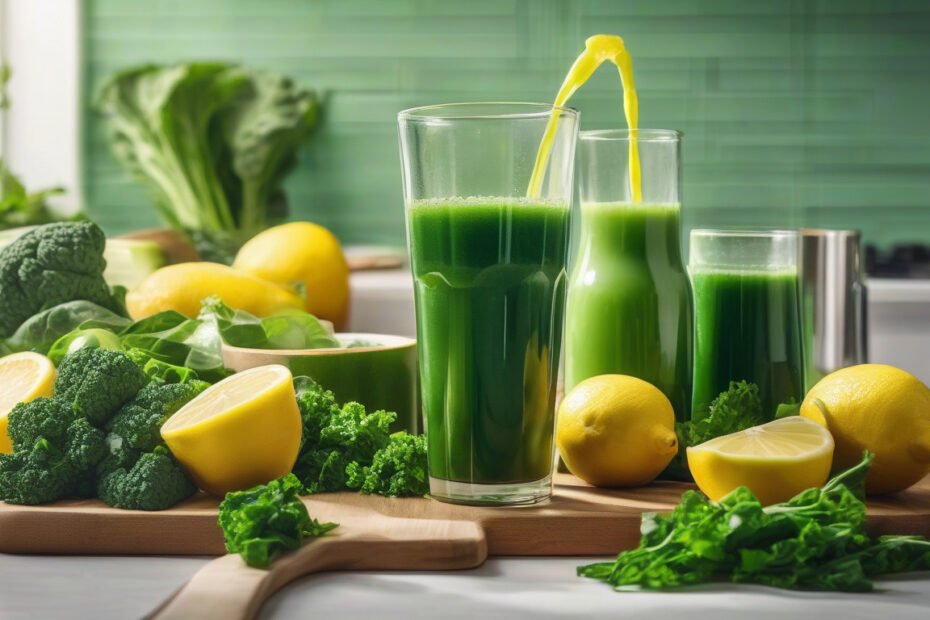
Ingredients such as spinach, kale, and cucumber are often blended into these refreshing drinks, providing essential vitamins and minerals to support the digestive system’s efficiency and overall functionality.
Furthermore, by delivering hydration and natural enzymes in a concentrated form, green juice can help reduce bloating and improve nutrient absorption, making it a delicious choice for anyone looking to enhance their gut health.
Integrating green juice into your daily routine can lead to improved digestion and a more balanced gut microbiome.
4. Key Ingredients for an Effective Gut-Healthy Green Juice
When it comes to crafting the perfect green juice for gut health, incorporating key ingredients can make all the difference.
Leafy greens like spinach and kale serve as the foundation, packed with fiber and essential nutrients that promote digestion and support a healthy gut microbiome.
Adding ingredients rich in probiotics, such as cucumber or fermented vegetables like sauerkraut, helps to enhance gut flora balance.
Furthermore, fruits like green apples or pears not only add a touch of sweetness but also contribute pectin, a soluble fiber that aids digestion.
Last but not least, a splash of fresh lemon juice can improve flavor while also providing vitamin C, which plays a role in overall gut health.
Together, these ingredients combine to create a delicious and nutritious green juice for gut health, ensuring your daily wellness routine is both tasty and beneficial.

5. Recipes: Simple Green Juice Combos for Optimal Gut Health
Green juice for gut health has gained popularity as more people recognize the vital role of a balanced gut microbiome in their overall wellness.
By incorporating simple yet nutritious green juice recipes into your daily routine, you can significantly boost gut health.
One fantastic combination is kale, cucumber, and green apple, which not only provides essential vitamins and minerals but also aids digestion due to the natural enzymes present in the ingredients.
Another great recipe involves spinach, celery, and ginger; the ginger adds a touch of spice while promoting gastric motility.
If you prefer something sweeter, try blending romaine lettuce, parsley, and pear for a refreshing drink loaded with fiber.
Lastly, consider a mix of beet greens, lemon, and mint, which offers detoxifying properties along with a refreshing flavor.
These green juice blends are not only delicious but are powerful allies in enhancing your gut health and overall vitality.
6. Other Lifestyle Changes to Enhance Gut Health Alongside Green Juice
Incorporating green juice for gut health can be a powerful foundation, but it works best when complemented by other lifestyle changes that further enhance digestive well-being.
Start by prioritizing a diet rich in fiber, as foods such as fruits, vegetables, whole grains, and legumes help promote healthy gut bacteria.
Staying hydrated is equally important; aim for at least eight glasses of water a day.
Additionally, regular physical activity can aid digestion and reduce bloating, while managing stress through techniques like meditation or yoga can lead to better gut health.
It’s also advisable to limit processed foods and sugar, as these can disrupt the balance of gut microbiota.
Lastly, consider incorporating probiotic-rich foods like yogurt, kefir, and fermented vegetables into your regimen.
By integrating these lifestyle changes with your routine green juice for gut health, you’ll not only taste the benefits but also cultivate a thriving digestive system.

7. Conclusion: Making Green Juice a Regular Part of Your Diet for Lasting Benefits
Incorporating green juice for gut health into your daily routine can lead to a multitude of benefits that extend beyond just improved digestion.
By making green juice a regular part of your diet, you not only infuse your body with essential vitamins and minerals but also introduce a diverse array of phytonutrients that nourish your gut microbiome.
The fiber and antioxidants found in green juice can help combat inflammation and promote a balanced gut flora, which is crucial for optimal digestive health.
To maximize the advantages, consider experimenting with various recipes that include ingredients like kale, spinach, cucumber, and celery, all known for their gut-friendly properties.
By committing to this nutritious habit, you’re setting yourself up for long-term health improvements, including increased energy, enhanced immunity, and greater overall wellness.
So grab your juicer and embrace the refreshing journey of green juice, ensuring gut health becomes a seamless and enjoyable aspect of your lifestyle.
This post may contain affiliate links which means I may receive a commission for purchases made through links. I will only recommend products that I have personally used! Learn more on my Private Policy page.