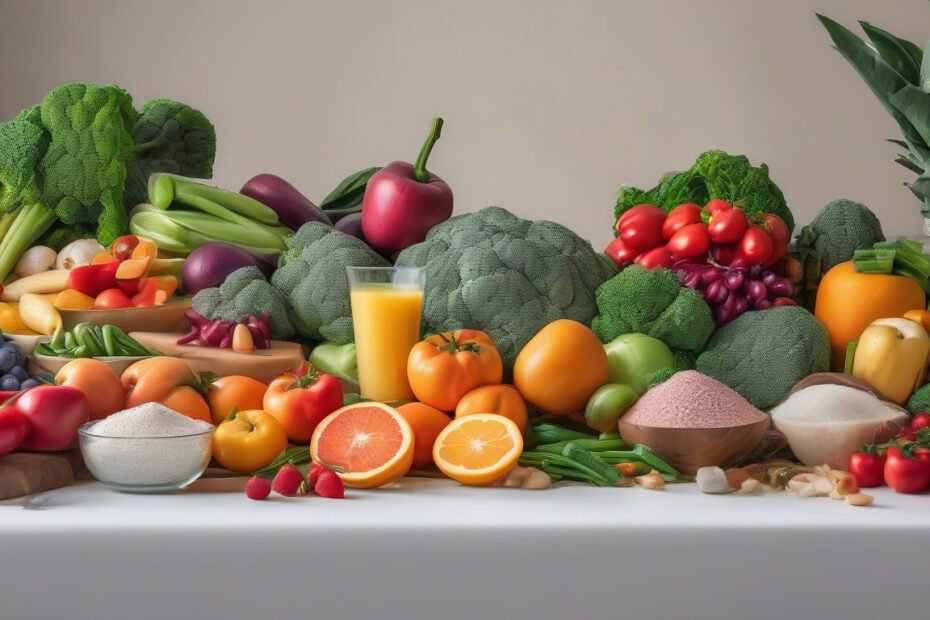
Digestive wellness is an essential component of overall health, impacting everything from our energy levels to our immune function.
As we navigate the complexities of nutrition and lifestyle, the importance of gut health cannot be overstated.
Within this realm, minerals for gut health play a crucial role, serving as the building blocks that support a properly functioning digestive system.
In this article, we will explore the vital minerals that contribute to your gut health, their functions, and how you can incorporate them into your diet for improved digestive wellness.
Free eBook | 3 Day Gentle Gut Reset
 Free eBook | 3 Day Gentle Gut Reset

Zinc: Boosting Gut Immunity and Repair
In the realm of minerals for gut health, zinc stands out as a powerhouse nutrient with a critical role in maintaining gut immunity and promoting tissue repair.
Research shows that zinc helps improve gut barrier function, which is essential for preventing leaky gut syndrome and ensuring that harmful substances do not enter the bloodstream.
This vital mineral aids in the production of gut mucosa, which acts as a protective layer while also supporting the immune system’s response to pathogens.
Furthermore, zinc’s ability to enhance the activity of immune cells such as T-cells makes it indispensable for fighting off infections and maintaining a balanced gut microbiome.
Incorporating zinc-rich foods such as legumes, nuts, seeds, and whole grains into your diet can significantly bolster your gut health, promoting not only physical well-being but also overall digestive harmony.
Calcium: Balancing Digestive Processes
Calcium, well-known for its role in bone health, is also a vital mineral for gut health, playing a significant part in balancing digestive processes.
This essential mineral not only supports the digestion of food but also aids in the absorption of other nutrients, enhancing overall gut function.
When considering minerals for gut health, calcium works synergistically with magnesium and potassium to facilitate optimal gut flora balance.
Moreover, it helps to regulate the secretion of digestive enzymes, ensuring that nutrients are effectively broken down and absorbed in the intestines.
Adequate calcium intake can prevent issues such as bloating and constipation, making it crucial for maintaining a harmonious digestive system.
By incorporating calcium-rich foods like dairy products, leafy greens, and fortified alternatives into your diet, you can promote a healthier gut environment and support your body’s mineral needs.

Sulfur: Supporting Gut Microbiome and Nutrient Absorption
Sulfur, often recognized for its role in various biological processes, is emerging as a vital mineral for gut health that supports the complex ecosystem of the gut microbiome and enhances nutrient absorption.
This essential mineral is found in high-protein foods such as garlic, onions, and cruciferous vegetables, which not only add flavor to meals but also provide significant health benefits.
Research indicates that sulfur promotes the growth of beneficial gut bacteria, thereby fostering a balanced microbiome.
This is crucial because a thriving gut microbiome aids in the breakdown and absorption of essential nutrients, improving digestive health overall.
Furthermore, sulfur compounds help to detoxify harmful substances within the gut, reducing inflammation and supporting gut integrity.
Thus, incorporating sulfur-rich foods into your diet is a smart choice for anyone looking to boost their overall gut health and optimize nutrient absorption.
By focusing on minerals for gut health, including sulfur, you can pave the way for a healthier digestive system and enhance your nutrient intake.
This post may contain affiliate links which means I may receive a commission for purchases made through links. I will only recommend products that I have personally used! Learn more on my Private Policy page.