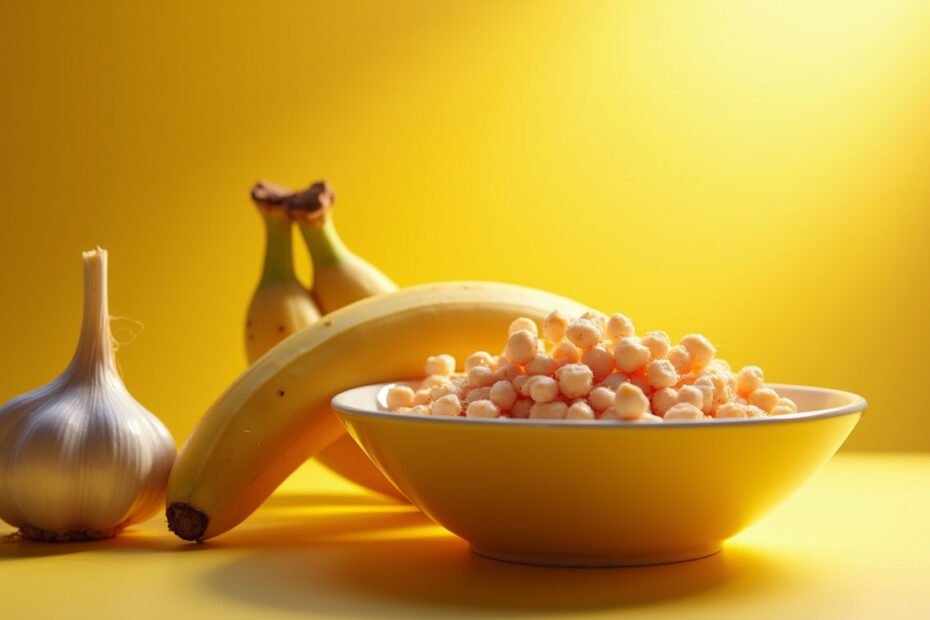
If you’re feeling run-down, bloated, or just “off,” your gut health might be playing a bigger role than you realize. That’s where prebiotics come in. Often overshadowed by probiotics, prebiotics are the unsung heroes that feed your good gut bacteria, helping to naturally support immunity, energy, mood, and digestion. Understanding how they work—and how to get more of them—can be a game-changer for your overall well-being.
What Are Prebiotics?
Prebiotics are types of dietary fiber (and some plant compounds) that your body can’t digest—but your beneficial gut bacteria can. Think of prebiotics as fertilizer for your microbiome: they nourish the helpful microbes in your colon, allowing them to grow, diversify, and produce health-supporting compounds.
To qualify as a prebiotic, a substance generally must:
- Resist digestion in the upper gastrointestinal tract
- Be fermentable by beneficial gut bacteria
- Provide a health benefit to the host when consumed in adequate amounts
Common prebiotic fibers include:
- Inulin
- Fructo-oligosaccharides (FOS)
- Galacto-oligosaccharides (GOS)
- Resistant starch
- Certain types of pectin and beta-glucans
You naturally find these in many plant foods—especially certain vegetables, fruits, whole grains, legumes, nuts, and seeds.
How Prebiotics Support Gut Health
Your gut is home to trillions of microbes that affect digestion, metabolism, hormones, immune function, and even brain health. Prebiotics influence this ecosystem in several powerful ways.
Feeding Beneficial Bacteria
Prebiotics serve as food for “friendly” bacteria like Bifidobacteria and Lactobacilli. When these microbes thrive, they help:
- Outcompete and suppress harmful bacteria
- Maintain a healthy gut barrier
- Support regular, comfortable bowel movements
Research shows that prebiotic fibers like inulin can significantly increase populations of beneficial bacteria and improve gut microbiota composition (source: National Institutes of Health).
Producing Short-Chain Fatty Acids (SCFAs)
When gut bacteria ferment prebiotics, they produce short-chain fatty acids such as butyrate, acetate, and propionate. These SCFAs:
- Nourish colon cells and support gut lining integrity
- Help regulate inflammation
- Support mineral absorption (like calcium and magnesium)
- May play a role in appetite regulation and blood sugar balance
Butyrate is particularly important—it helps maintain a strong gut barrier, which reduces the chances of unwanted substances leaking into the bloodstream and triggering immune or inflammatory reactions.
Prebiotics and Immune Support
About 70% of your immune system resides in your gut. That makes the relationship between prebiotics and immunity especially important.
Strengthening the Gut Barrier
A healthy gut lining acts like a selectively permeable screen: it lets nutrients in but keeps toxins and pathogens out. SCFAs produced from prebiotic fermentation:
- Support mucus production in the gut
- Help tighten junctions between gut cells
- Reduce low-grade inflammation
This stronger barrier is a frontline defense against infection and systemic inflammation.
Modulating Immune Responses
Balanced gut bacteria help train and regulate immune cells. Prebiotics, by improving microbiome diversity, can:
- Enhance production of protective antibodies
- Promote regulatory T cells that help prevent overactive immune responses
- Support a more balanced inflammatory profile
Several studies suggest prebiotic intake may reduce the duration or severity of common infections, especially in children and older adults, by strengthening immune defenses.
How Prebiotics Boost Energy and Vitality
Your energy levels are influenced by far more than calories in versus calories out. Gut health, inflammation, nutrient absorption, and blood sugar all play a role—and prebiotics can support each of these areas.
Better Nutrient Absorption
SCFAs from prebiotic fermentation improve mineral absorption in the colon, particularly:
- Calcium
- Magnesium
- Iron (to some degree)
These minerals are essential for energy production, muscle function, and nervous system health. When your body absorbs them more efficiently, you’re better equipped to feel energized and resilient.
Supporting Stable Blood Sugar
Some prebiotic fibers can help:
- Slow gastric emptying
- Reduce post-meal blood sugar spikes
- Improve insulin sensitivity
More stable blood sugar means fewer energy crashes, less brain fog, and more consistent focus and performance throughout the day.
Reducing Low-Grade Inflammation
Chronic, low-grade inflammation can leave you feeling tired and unwell. By promoting a healthier microbiome and more SCFA production, prebiotics may help:
- Decrease inflammatory markers
- Support a healthier weight
- Improve metabolic health overall
This systemic effect often translates into better stamina, less fatigue, and a greater sense of vitality.

Top Natural Food Sources of Prebiotics
The best way to increase your intake of prebiotics is through whole foods. Many everyday plant foods are naturally rich in prebiotic fibers.
Vegetables and Roots
- Garlic
- Onions (all types)
- Leeks
- Asparagus
- Jerusalem artichokes (sunchokes)
- Chicory root
- Dandelion greens
Fruits
- Bananas (especially slightly green)
- Apples (with skin)
- Berries (especially raspberries and blackberries)
- Kiwi
Whole Grains and Starches
- Oats
- Barley
- Rye
- Whole wheat
- Cooked and cooled potatoes, rice, or pasta (rich in resistant starch)
Legumes, Nuts, and Seeds
- Lentils
- Chickpeas
- Beans (black, kidney, pinto, etc.)
- Cashews
- Pistachios
- Flaxseeds
Aim for a variety of these foods throughout the week to nourish a diverse microbiome.
Prebiotics vs Probiotics: What’s the Difference?
It’s easy to mix up prebiotics and probiotics, but they play distinct, complementary roles.
-
Prebiotics = Food for beneficial bacteria
- Non-digestible fibers or compounds
- Found in plant foods and some supplements
-
Probiotics = Live beneficial bacteria
- Found in fermented foods (yogurt, kefir, kimchi, sauerkraut, miso, tempeh) and supplements
You can think of it this way: taking probiotics is like planting good seeds in your gut, while consuming prebiotics is like watering and fertilizing those seeds so they grow and thrive. For most people, combining both prebiotic-rich foods and probiotic sources supports the strongest gut ecosystem.
Do You Need a Prebiotic Supplement?
Food should be your foundation, but prebiotic supplements can be useful in certain situations.
Possible Benefits of Prebiotic Supplements
- Convenient way to increase fiber and specific prebiotic types
- Helpful for people with limited diets or low fiber intake
- Often used in combination with probiotics (called synbiotics)
Common supplemental forms include:
- Inulin powder
- FOS or GOS
- Partially hydrolyzed guar gum (PHGG)
- Resistant starch powders
Potential Side Effects and Cautions
Because prebiotics are fermentable, they can cause:
- Gas
- Bloating
- Abdominal discomfort
- Changes in bowel habits (looser or more frequent stools)
This is especially likely if you:
- Have irritable bowel syndrome (IBS) or small intestinal bacterial overgrowth (SIBO)
- Dramatically increase your intake overnight
To reduce side effects, always:
- Start with a low dose.
- Increase gradually over 1–2 weeks.
- Drink plenty of water.
- Listen to your body and adjust as needed.
If you have a digestive condition or are on medication, speak with a healthcare professional before starting a prebiotic supplement.
Practical Tips to Add More Prebiotics to Your Day
Incorporating prebiotics doesn’t have to be complicated. Small, consistent changes make a big difference.
Simple Ways to Boost Intake
- Add sliced banana and a spoonful of ground flax to your morning oatmeal.
- Stir chopped onions, garlic, and leeks into soups, stews, and stir-fries.
- Swap a refined grain side (like white rice) for barley or oats a few times per week.
- Choose hummus or roasted chickpeas as a snack.
- Enjoy a small serving of sauerkraut or kimchi alongside a prebiotic-rich meal to pair probiotics with prebiotics.
A Sample Day of Prebiotic-Rich Eating
-
Breakfast:
Oatmeal topped with sliced greenish banana, berries, and ground flaxseeds -
Lunch:
Lentil and vegetable soup with onions, garlic, carrots, and barley, plus a side of apple slices -
Snack:
Handful of pistachios and carrot sticks -
Dinner:
Baked salmon with roasted asparagus and garlic, plus a small serving of cooked-and-cooled potato salad (for resistant starch)
This pattern gives your gut bacteria a wide range of fibers to ferment, promoting a more robust microbiome.
Frequently Asked Questions About Prebiotics
1. What are the best prebiotics for gut health?
The best prebiotics for gut health are those you can tolerate consistently. Common evidence-backed options include inulin, FOS, GOS, and resistant starch. A mix of prebiotic-rich whole foods—like onions, garlic, asparagus, oats, barley, beans, and slightly green bananas—often provides broader benefits than relying on a single prebiotic type.
2. Can prebiotic fiber help with digestion and bloating?
For many people, prebiotic fiber supports more regular bowel movements, softer stools, and a healthier gut environment, which can reduce bloating over time. However, some individuals—especially those with IBS or SIBO—may initially experience more gas and discomfort when increasing prebiotics. Starting low, going slow, and working with a practitioner can help find the right type and amount.
3. When should I take prebiotic supplements for the best results?
You can take prebiotic supplements at any time of day, with or without food, but many people find they tolerate them best with meals. Consistency matters more than timing. If you’re using both probiotics and prebiotics, you don’t have to take them together, but some prefer to combine them to create a synbiotic effect that supports beneficial bacteria more effectively.
Take the Next Step to Strengthen Your Gut, Immunity, and Energy
Your gut microbiome is at the center of your overall health, and prebiotics are one of the simplest, most natural ways to support it. By regularly including prebiotic-rich foods—alongside a generally balanced diet, adequate sleep, stress management, and movement—you can:
- Nurture a healthier gut
- Strengthen your immune defenses
- Support more stable energy and mood
Start today with one small change: add a prebiotic-rich food to your next meal, or swap a low-fiber option for a fiber-packed choice. Over time, those choices compound into real, noticeable benefits. If you’re unsure where to begin or have digestive concerns, consider consulting a qualified health professional or nutritionist to craft a personalized prebiotic strategy that fits your body and lifestyle.
This post may contain affiliate links which means I may receive a commission for purchases made through links. I will only recommend products that I have personally used! Learn more on my Private Policy page.