Discovering the right food habits can make a world of difference, not just for your health but for your overall well-being. In this guide, we’ll explore nine simple yet powerful food awareness habits that can transform your relationship with food and elevate your lifestyle. Whether you’re looking to boost your energy levels, improve your mood, or just eat a little healthier, these tips can kickstart a positive change.
Pause Before You Eat
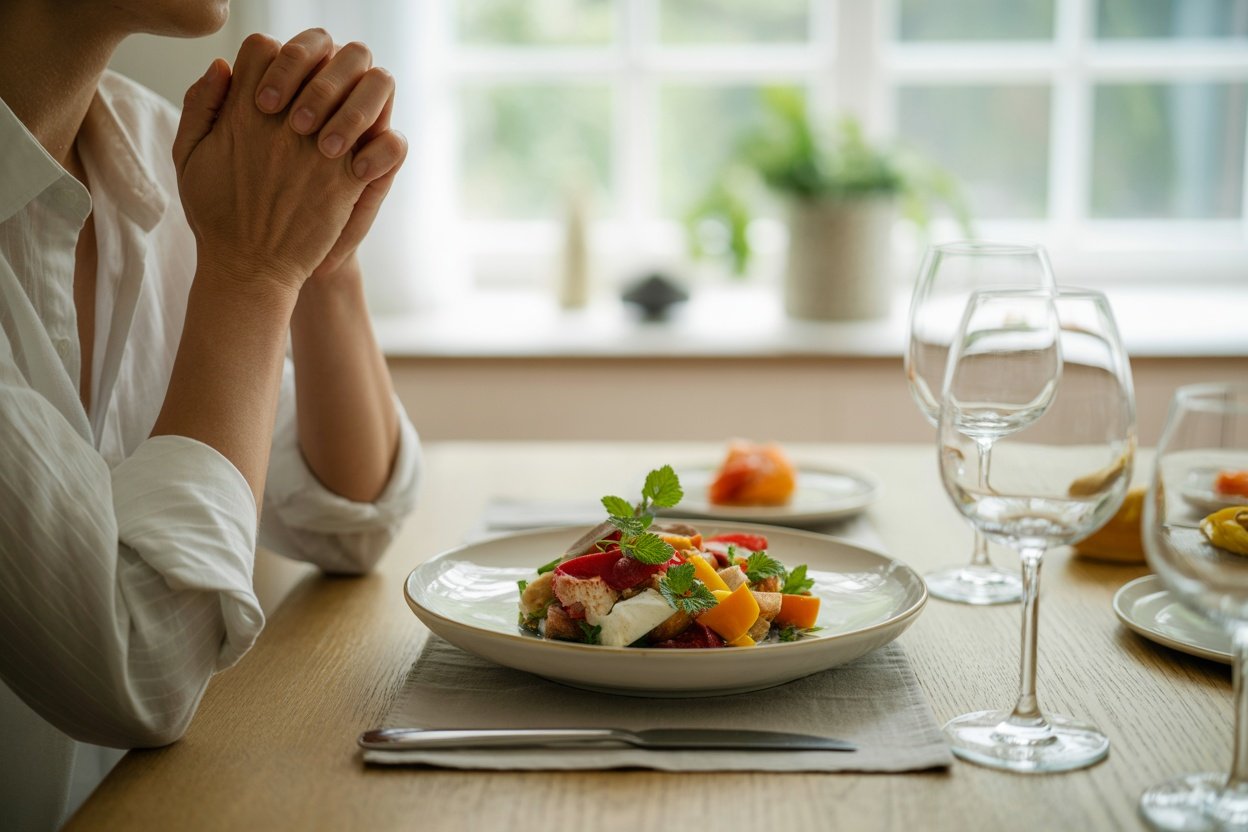
This image perfectly captures a moment of mindfulness right before a meal. The person at the table seems to be taking a moment to reflect, hands clasped in contemplation. In front of them is a beautifully arranged plate of fresh salad, showcasing vibrant colors and textures. Surrounding the main dish are elegant glassware and a warm setting, which invites a sense of calm. This visual reinforces the importance of pausing before eating, allowing your mind and body to prepare for nourishment. Taking this moment can deeply enhance our eating experience and promote healthier habits. Enjoying food isn’t just about taste; it’s about being present and savoring the moment, making the meal more satisfying.
Learn The Difference Between Hunger And Cravings
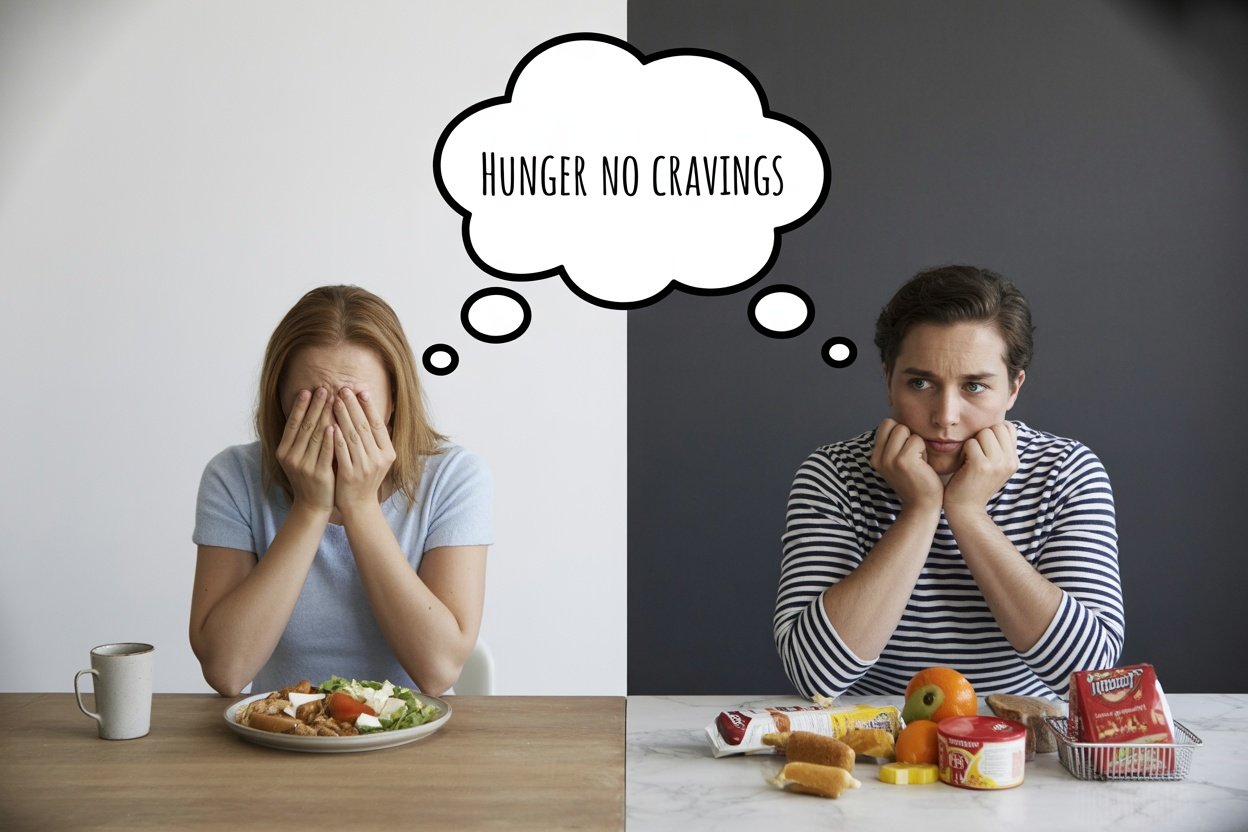
In the image, we see two individuals experiencing different eating conditions: one feeling genuine hunger and the other having cravings. The person on the left looks distressed, almost overwhelmed, while seated in front of a healthy meal. She seems to be battling her emotions as she covers her face. Conversely, the person on the right appears contemplative, surrounded by a tempting assortment of snacks. This stark contrast illustrates the struggle between satisfying physical needs and succumbing to impulses.
It’s essential to recognize the difference between hunger and cravings to develop healthier eating habits. Hunger is your body’s natural signal that it needs fuel. It’s often accompanied by physical feelings, such as a growling stomach. Cravings, however, are more about your mind. They can be triggered by emotions or memories, often making you want specific foods, especially sweets or junk food. Understanding this distinction can play a crucial role in improving your food awareness.
When you acknowledge you’re hungry, it’s important to choose nourishing foods that satisfy you. Think of filling your plate with lean proteins and lots of veggies. This can help you feel full longer. On the other hand, when cravings hit, try to pause. Ask yourself if you’re truly hungry or if you’re looking for comfort. Often, a glass of water or a piece of fruit can do the trick without reaching for that sugary treat.
Slow Down Your Eating
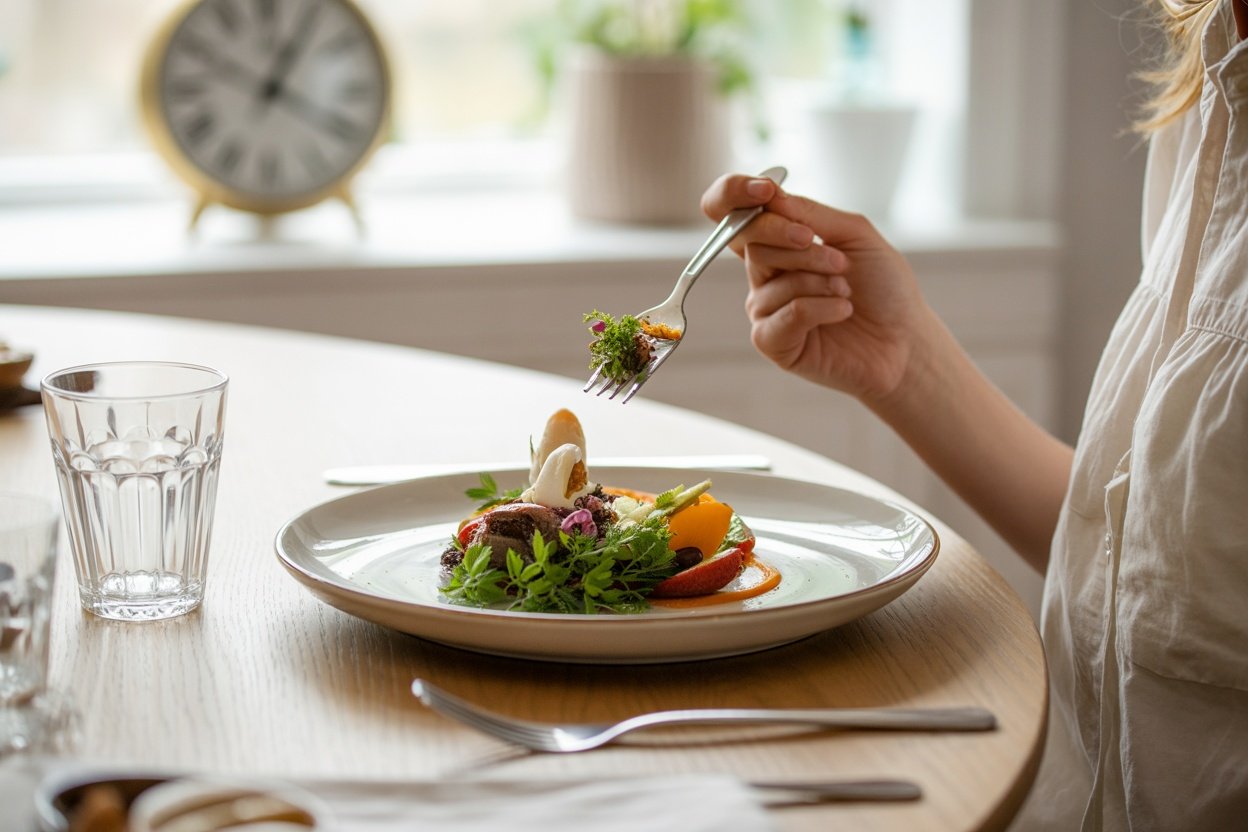
Eating slowly is one of the best habits you can adopt. The image shows a person savoring their meal, which highlights how much joy can come from taking your time. Rather than rushing through a plate, take those extra seconds to truly enjoy each bite.
When you eat slowly, you’re not just enjoying the flavors; you’re also giving your body a chance to signal when it’s full. This can help prevent overeating and make your meals more satisfying.
Try putting your fork down between bites. Take a sip of water, or simply breathe. This small practice lets you listen to your body and enjoy the experience. You might be surprised by how delicious your food tastes when you slow down!
Next time you sit down to eat, remember: it’s not just about finishing your meal. It’s about savoring every moment. This one habit can truly change your relationship with food, making it an enjoyable experience rather than just a necessity.
Stop Eating Distracted

Eating shouldn’t just be about filling your stomach. The image captures someone enjoying a meal, focusing on their plate instead of multitasking. When you eat without distractions, you become more aware of flavors and textures, making every bite count. Studies show that being present during meals helps with digestion and promotes healthier choices. Instead of scrolling through your phone or watching TV, try to savor the moment. This simple habit can transform your relationship with food. Take a deep breath, look at your plate, and appreciate the meal in front of you. You might find that not only do you enjoy your food more, but you also feel satisfied more quickly. So, next time you sit down to eat, give yourself permission to unplug and really enjoy what you’re having.
Check In Halfway Through Your Meal
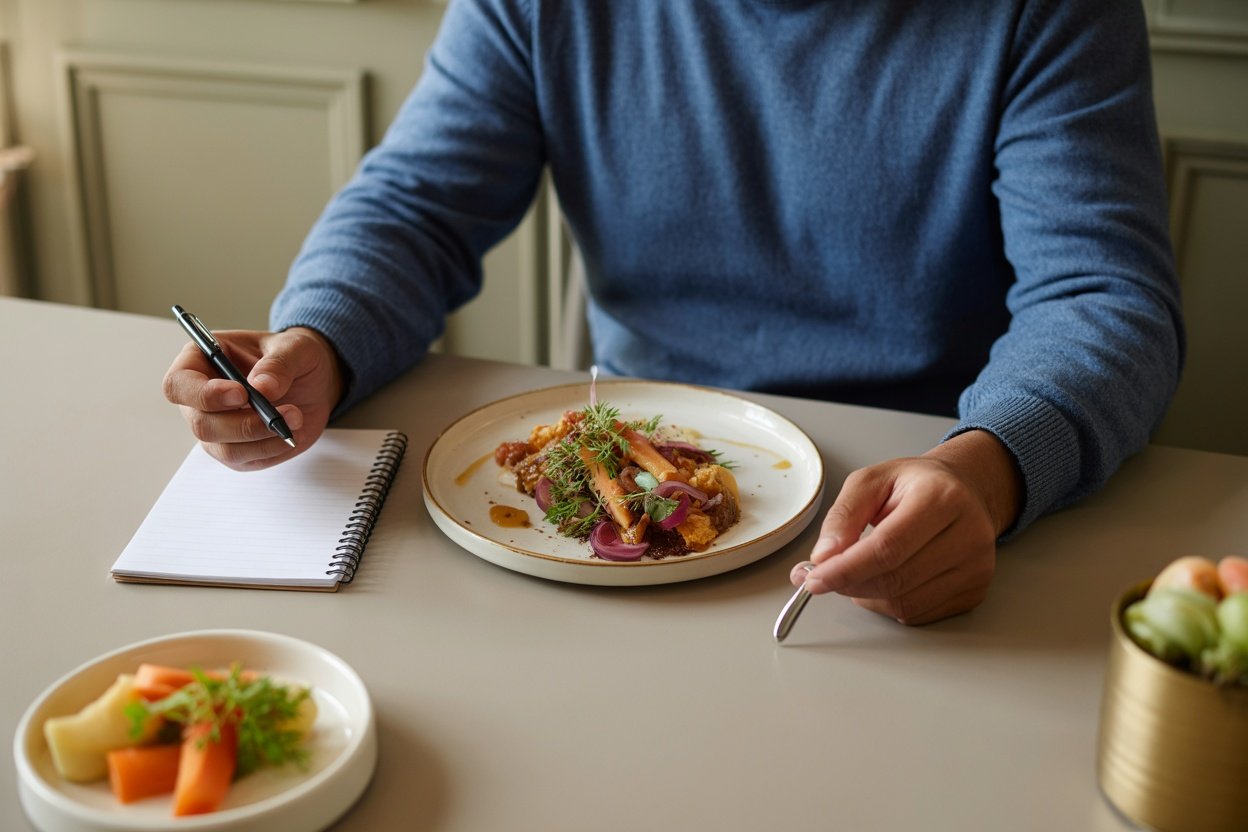
Taking a moment to check in with yourself halfway through your meal can be a game changer. In the image, we see someone pausing with a pen and notebook, ready to reflect on their meal.
This is a great practice for understanding your hunger signals and noticing how your body feels after eating. Sometimes, we’re so caught up in the hustle that we forget to appreciate our food. By stopping to jot down thoughts, you can evaluate if you’re still hungry or if you’re satisfied.
It’s also a chance to assess how the flavors are coming together. Do you still enjoy the taste of your dish? Is it what you expected? By tuning in like this, you become more aware of your eating habits and preferences, making healthier choices over time.
Plus, taking a break increases mindfulness. Rather than just shoveling food down, you can savor each bite. So grab a pen, make notes, or simply reflect on your experience. This simple habit can lead to better food choices and a more enjoyable dining experience.
Use A Hunger Scale (Without Overthinking It)
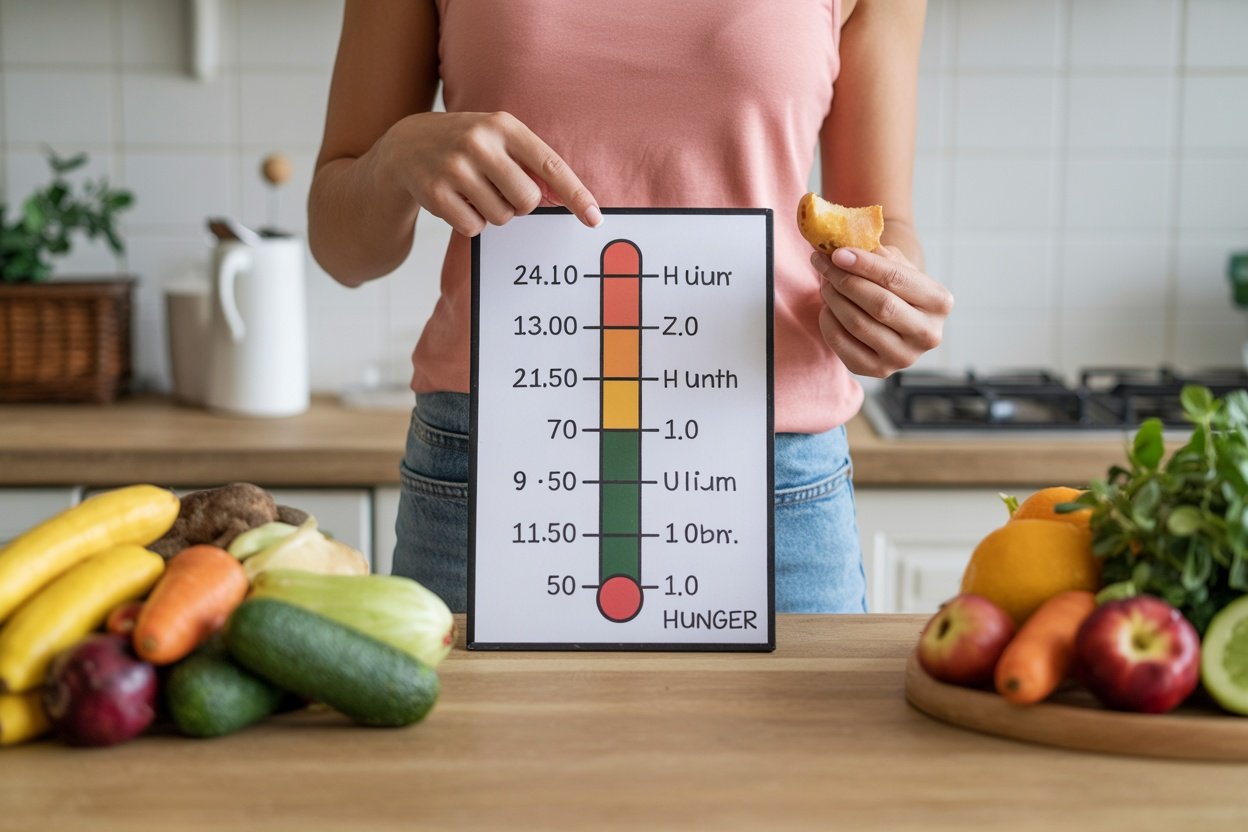
The image beautifully showcases a hunger scale, a simple yet effective tool for understanding your body’s signals. This scale helps you gauge how hungry you really are on a scale from 1 to 10. With a colorful gradient, it transitions from feeling famished to completely full. This visual representation makes it easy to assess hunger without getting too caught up in the details.
Using a hunger scale can change how you approach eating. Instead of just relying on meal times, you learn to listen to your body. If you find yourself rating your hunger at a 3, you know it’s time for a snack. But if you’re at an 8, maybe you’re best off waiting until your next meal. It’s all about striking the right balance!
The scale encourages mindfulness. When you stop to rate your hunger, you’re also taking a moment to consider what your body needs. Pair this with colorful fruits and veggies, like the ones shown in the image, and you’ve got a recipe for success. You’ll not only become aware of your hunger but also make healthier food choices.
Embracing this habit doesn’t have to be complicated. Just glance at the scale before you eat and adjust as needed. The key is to keep it casual and fun, without overthinking it. Once you get into the habit, finding that balance between hunger and satisfaction will feel natural.
Notice Your Eating Triggers

In a world filled with distractions, it’s easy to lose sight of why and how we eat. The image of someone thoughtfully assessing their meal is a perfect reminder to focus on our eating triggers. Look at the moment captured; the individual appears to be in a reflective state, holding a pen and contemplating their meal. This setup encourages us to become more aware of our eating habits.
The presence of a notebook suggests the idea of journaling. Writing down your thoughts can help pinpoint your triggers. Maybe it’s stress or boredom that leads you to the snacks on the table. By recognizing these stimuli, you can make mindful choices.
Another essential element in the picture is the clock. Timing can play a big role in our eating patterns. Are you eating out of habit or hunger? Observing the clock can help establish a routine that aligns with your body’s needs. The buzz of daily life often pushes us to eat on the go, missing the flavors and textures of the foods we consume.
And let’s not forget about variety. The assortment of fruits and snacks in the image symbolizes how incorporating different foods can keep meals interesting. This variety might also curb the urge to overeat. Experimenting with mindful eating could lead to surprising benefits!
Don’T Eat Straight From The Package
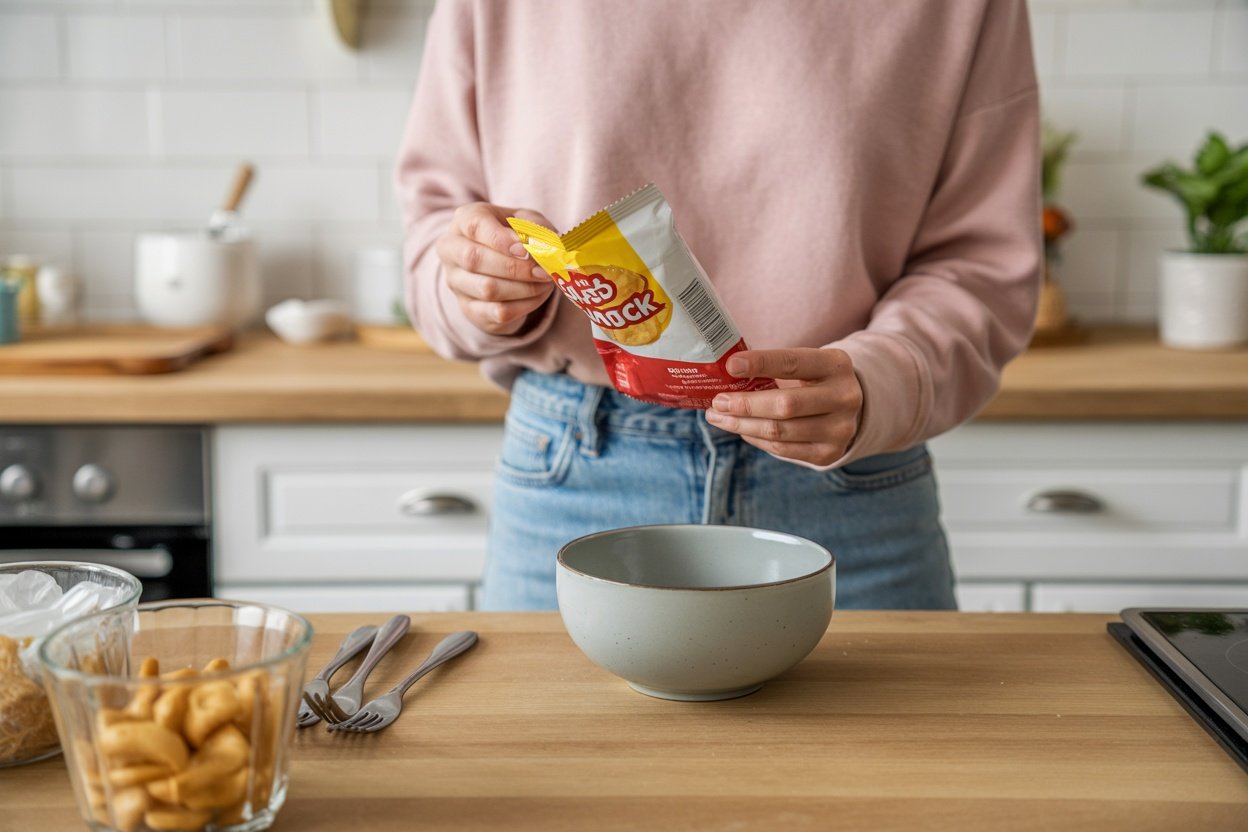
We’ve all been there—snacking right out of the bag while binging our favorite show. It feels so easy, but it’s a habit that can sneak up on you!
In the image, you see someone about to pour snacks into a bowl. This is a great step toward mindful eating! When you eat directly from the package, it’s easy to lose track of how much you’ve consumed. By transferring snacks into a bowl, you can control portions better.
Mindful eating is about being present with your food. Taking a moment to serve yourself allows you to enjoy the experience more. Plus, you can pair your snacks with something healthy, like some fresh fruits or veggies for balance.
Next time you feel the urge to dive into the bag, pause and grab a bowl instead. It might seem small, but this simple change can make a big difference in how you feel about your meals and snacks!
Reflect After You Eat (Without Judging Yourself)

Reflecting on your meals is a vital food awareness habit that can change how you eat and feel about food. In the image, we see a person thoughtfully holding a spoonful of food while gazing at an open notebook. This moment of pause is essential, allowing us to check in with our thoughts and feelings without any judgment. It’s like taking a snapshot of our eating experience. By jotting down our reflections, we can better recognize our cravings and emotional triggers. This practice promotes mindfulness, helping us appreciate our food and understand our eating habits on a deeper level. Offering ourselves grace during this process makes it easier to cultivate a healthier relationship with food.
This post may contain affiliate links which means I may receive a commission for purchases made through links. I will only recommend products that I have personally used! Learn more on my Private Policy page.